JUTYE SANITARY
JUTYE SANITARY
JUTYE SANITARY
High-precision plumbing accessories and custom sanitary components engineered for modern global demands.
Deciphering the Global Supply Chain Landscape for Architectural Shower Faucet Manufacturing
When searching for "High-Quality Top Shower Faucet Companies Factories & Factory", procurement directors, commercial developers, and hardware distributors are seeking more than a list of assembly lines. The core user intent demands a deep understanding of manufacturing integrity, material optimization, design sustainability, and supply chain scalability. Global markets require bathroom fittings that combine aesthetic longevity with uncompromising compliance. A modern top shower faucet is not merely a valve; it is an engineered node in a building's hydraulic system.
This industry report examines the core capabilities of premier manufacturers, focusing on how factories in leading industrial hubs resolve the complex engineering challenges of fluid dynamics, lead extraction, and surface treatment finish durability. Partnering with a comprehensive OEM/ODM hardware provider ensures that product life cycles are maximized, resource wastage is eliminated, and global building code requirements are fulfilled.
Ningbo Jutye Sanitary Tech Co., Ltd - Your Trusted OEM & ODM Bathroom Manufacturer
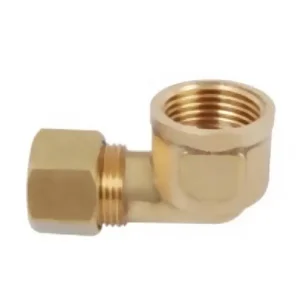
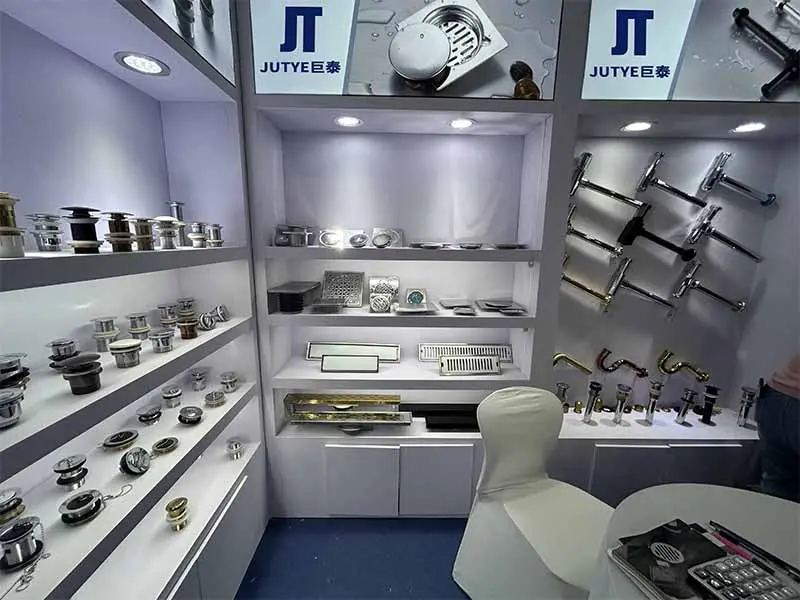
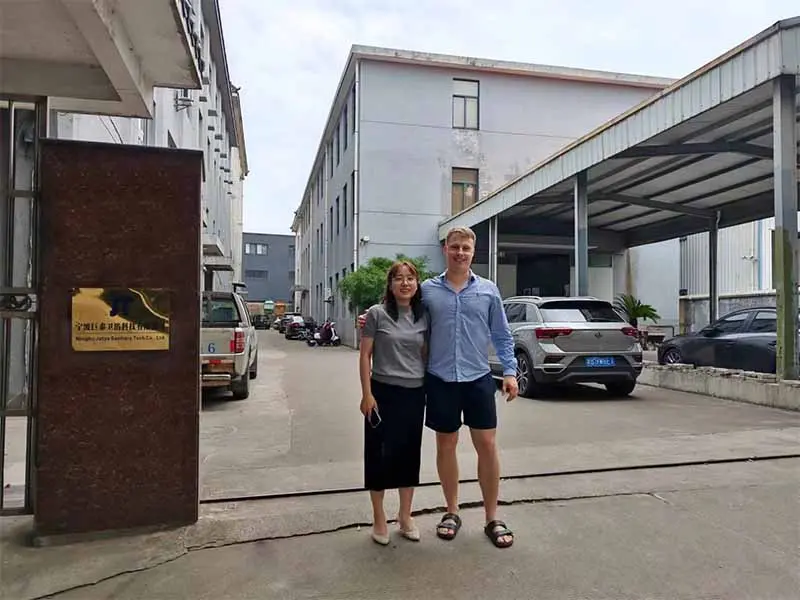
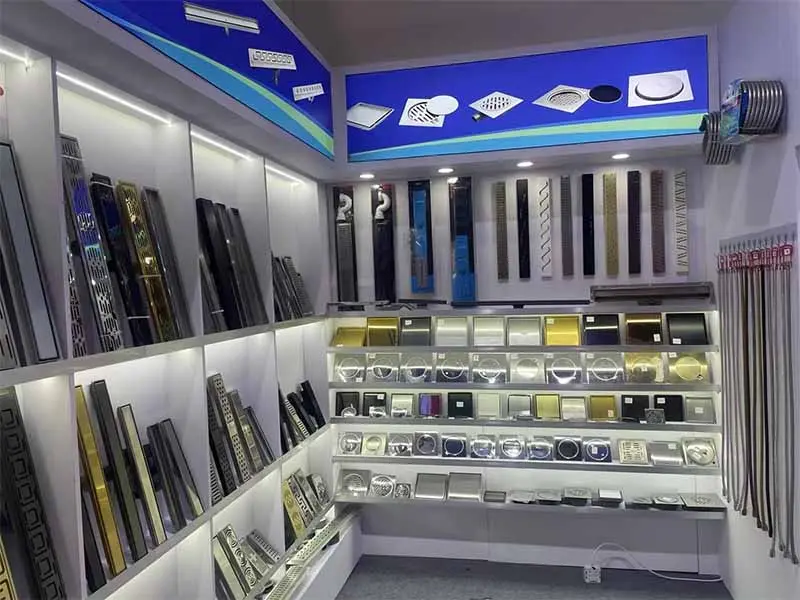
NINGBO JUTYE SANITARY TECH CO., LTD is a professional supplier for all kinds of accessories for sanitary wares, located in Ningbo, Zhejiang, very near to the seaport of Ningbo. We are one of the most professional suppliers for accessories of plastic parts, brass fittings, floor drains, sink drains, shower caddies, angle valves, and bathroom accessories.
As a professional hardware fittings manufacturer, we offer a full range of products covering all aspects of bathroom fittings. Through optimizing production and supply chain management, we are committed to providing cost-effective, value-for-money accessories. Each model is manufactured with rugged materials like Stainless Steel 304, DZR Brass, ABS, and rubber to optimize hydraulic performance.
We adhere to a strict quality management system, checking raw materials, manufacturing stages, and final factory release. We have built research, development, and engineering divisions capable of delivering customized sizes and shapes. We work with clients to explore their vision, utilizing our design, material science, and sustainability expertise to build products for now and the future.

Why Zhejiang and Ningbo Lead the Global Sanitary Ware Supply Chain
Sourcing shower faucets and sanitary components from China, particularly the Ningbo and Zhejiang clusters, offers critical structural advantages for global developers and brands:
Ningbo acts as an epicentre of high-precision metal casting, stamping, plastic injection moulding, and automated surface electroplating. The geographical concentration of raw material refineries, tool-and-die design studios, and testing facilities translates into reduced internal logistics overhead and rapid prototype-to-production cycles. Faucets and valve components do not travel long distances between smelting and final packaging.
Top Chinese factories utilize state-of-the-art smelting processes to produce Dezincification Resistant (DZR) Brass and Premium SUS304 Stainless Steel. Modern heavy metal extraction and lead-free washing processes guarantee that products comply with strict international drinking water acts, including NSF/ANSI 61 and California AB 1953 lead-free mandates. In-house spectrometers analyze brass bars before extrusion to ensure compliance with material configurations.
The close proximity to the Port of Ningbo-Zhoushan—the world's busiest port by cargo tonnage—allows factories to arrange efficient FCL (Full Container Load) and LCL (Less than Container Load) shipments. This geographic setup shortens port transit times, lowers container transport costs, and provides direct shipping lines to major European, North American, and Middle Eastern entry ports.
High-Performance Components Designed for Comprehensive Sanitary Engineering
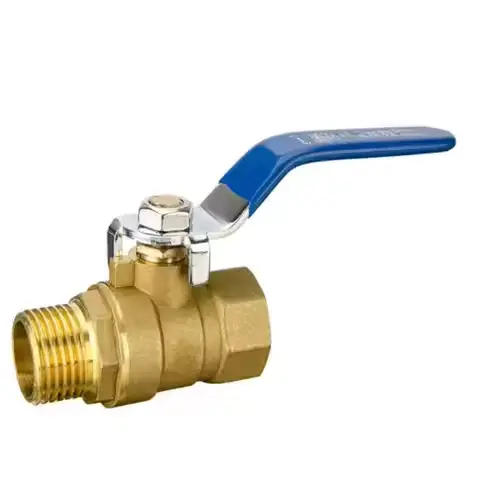
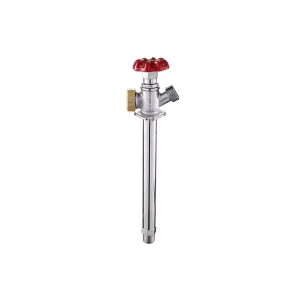
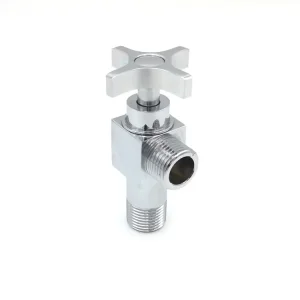
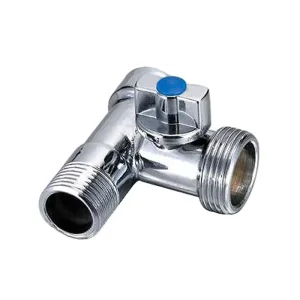
High-quality brass and stainless steel control valves with ceramic cartridges for water isolation.
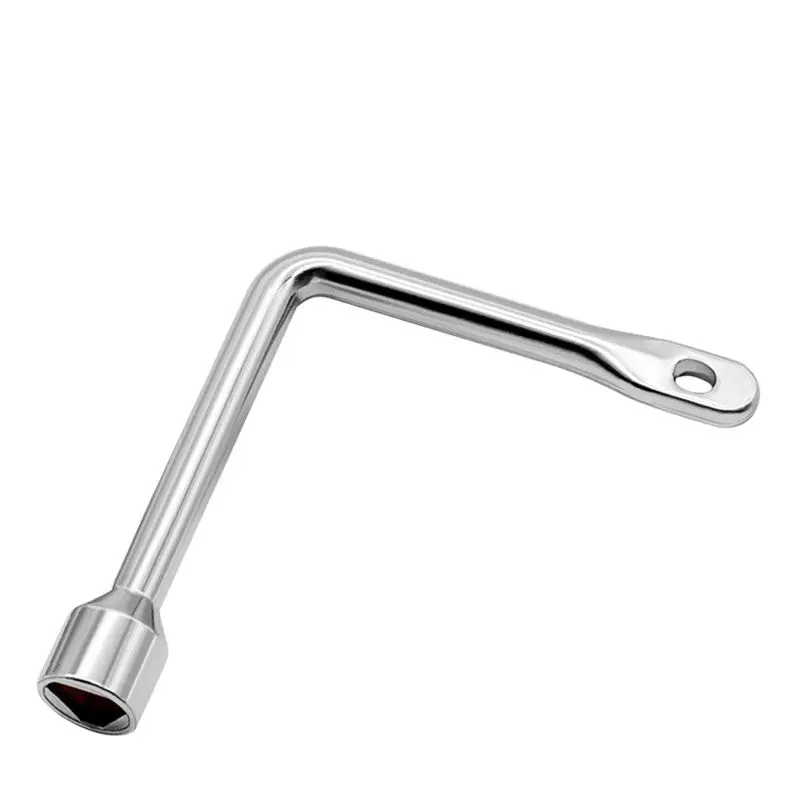
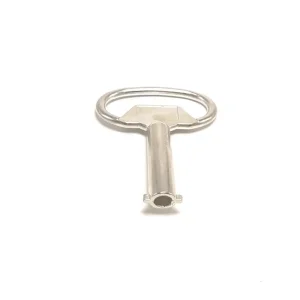
Industrial tools and accessory kits engineered for plumbing system maintenance.
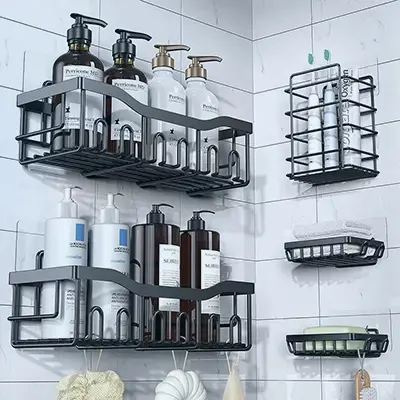
Specialized sanitary elements and bespoke components configured to custom OEM blueprints.
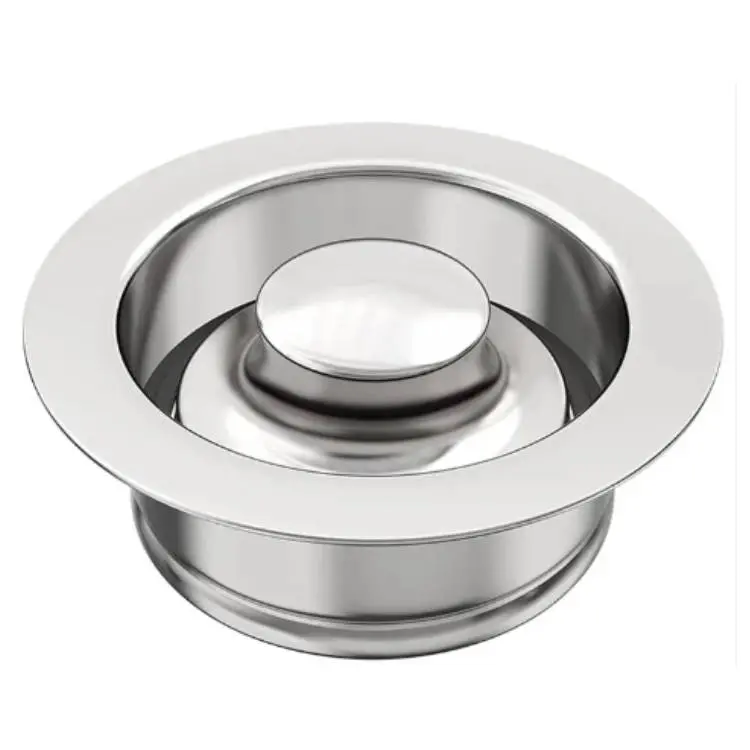
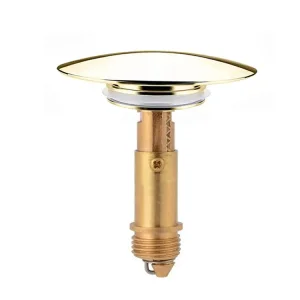
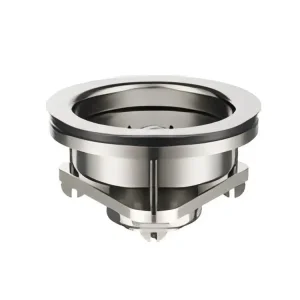
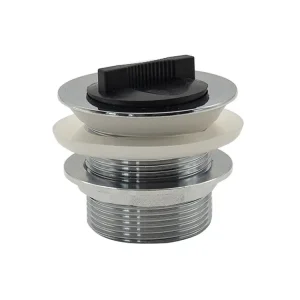
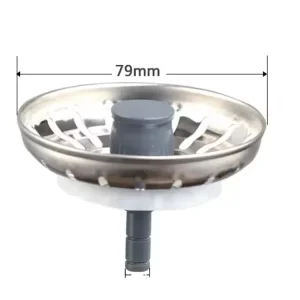
Robust pop-up waste assemblies, kitchen strainers, and reliable sink connectors.
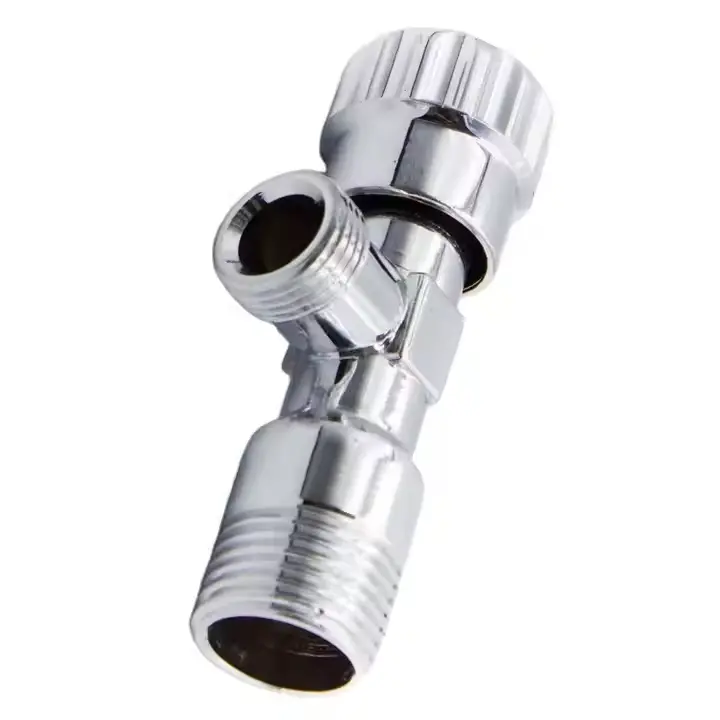
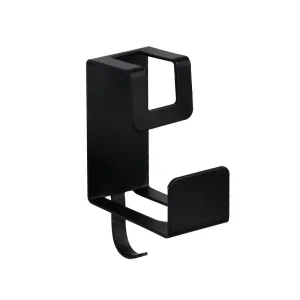
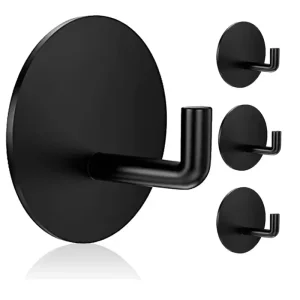
Corrosion-proof organizer baskets, adhesive hardware hooks, and functional sanitary additions.
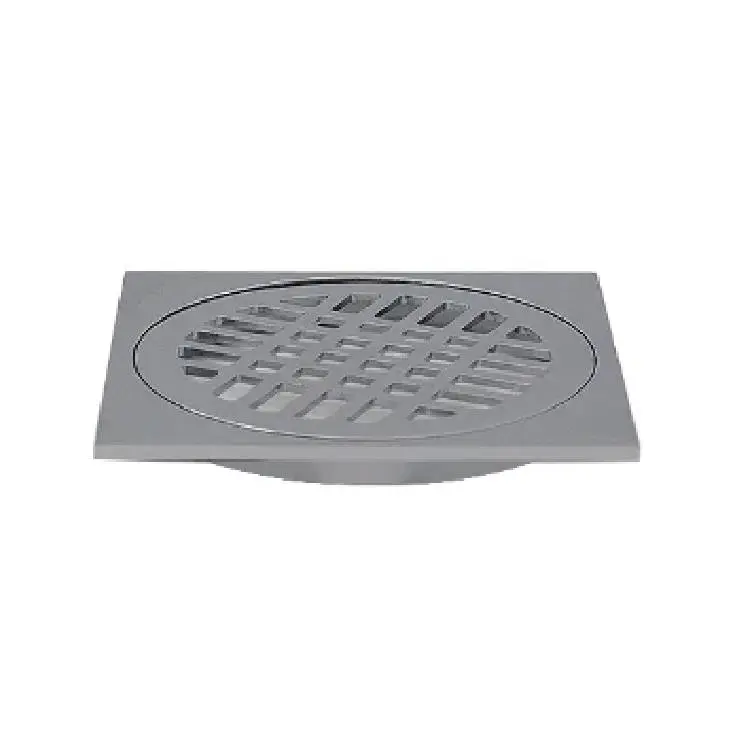
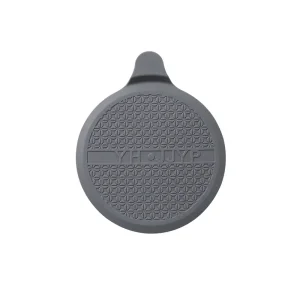
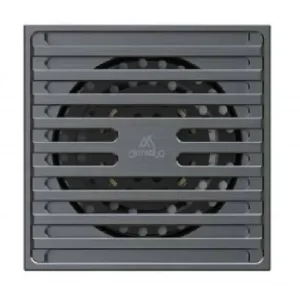
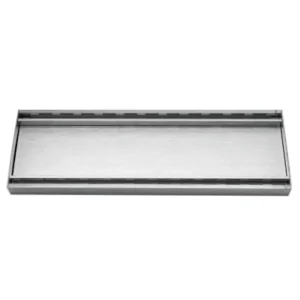
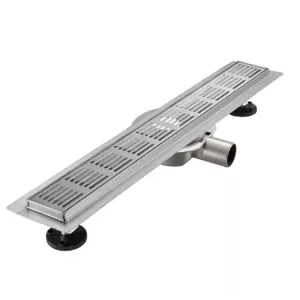
Anti-odor strip floor drains, heavy-duty alloy drains, and silicone hair catchers.
Futuristic Engineering Advancements Shaping Contemporary Faucet Architecture
The global shower faucet manufacturing landscape is undergoing significant technological shifts. Understanding these development trends helps procurement managers align their catalogs with upcoming market demands:
Modern luxury and commercial installations demand precise temperature control. Advanced thermostatic faucets utilize wax-capsule or shape-memory alloy (SMA) cartridges. These systems respond instantly to pressure drops in cold or hot water feeds, shutting off flow or compensating to prevent thermal shock and scalding. This is highly valued in elder-care and upscale hospitality projects.
Global environmental metrics (such as LEED, WaterSense, and BREEAM certifications) demand reduced flow rates without compromising user experience. High-quality factories now incorporate precision aerators and Neoperl pressure-compensating flow regulators. These units infuse micro-bubbles of air into the water stream, generating a full tactile shower feel while cutting water consumption by up to 35%.
Traditional electroplating is shifting toward Physical Vapor Deposition (PVD) coating. Conducted inside high-vacuum chambers, PVD deposits molecular layers of metal nitrides or carbides onto the faucet surface. The result is a finish that is up to ten times harder than standard chrome. This process produces durable modern finishes like brushed gold, gunmetal gray, and matte black, which resist scratches, tarnishing, and chemical wear.
Targeted Engineering Implementations Across Diverse Built Environments
In airports, shopping malls, and office buildings, durability and ease of maintenance are critical. Localized layouts prioritize concealed heavy-duty brass wall valves coupled with infrared sensor configurations. These setups minimize surface contact, maintain high levels of hygiene, and reduce water wastage in high-traffic public spaces.
For hotels, aesthetic distinction is a key differentiator. Application scenarios rely on multi-outlet thermostatic shower systems, integrating rain showerheads, body jets, and hand showers. Factories customize the outer plating and metal branding to align with the hotel's interior design guidelines.
Modern homes focus on user comfort and reliability. Key systems feature modular in-wall rough-in valves (such as universal box systems). These allow homeowners to upgrade external trim plates and lever designs in the future without breaking the tiles or tearing down drywall.
Streamlining Global Logistics, Quality Assurance, and Engineering Design Challenges
Operating as a global sanitary supplier requires solutions for international logistics, supply chain challenges, and technical engineering requirements. High-quality factories must implement structured operational frameworks to support global buyers:
To hedge against raw material price volatility (especially copper and zinc), modern factories employ futures contracts and long-term supplier agreements. This ensures pricing stability for clients during multi-year commercial construction projects.
Every single faucet valve cartridge undergoes 100% pneumatic air testing and hydraulic water testing at pressures reaching 16 bar. This process detects micro-fractures in casting walls or ceramic discs prior to chrome plating, eliminating on-site leakage risks.
Top shower faucet factories maintain compliance certifications across key global markets. This includes WRAS for the United Kingdom, CE for the European Economic Area, and cUPC/ASME standards for the United States and Canada, ensuring trouble-free customs clearance and local building approval.
Critical Protocols and Checkpoints for Procurement Managers and Distributors
Enterprise sourcing managers look closely at operational metrics when vetting partner factories. To minimize risk, a candidate manufacturer must demonstrate compliance in three key areas:
Verification that the brass alloy matches strict regulatory definitions (such as CW617N, CB757S, or lead-free brass formulations). Sourcing managers must request regular metallurgical test certificates and ICP-OES chemical component breakdowns from independent third-party labs like SGS or TÜV.
The level of automation in polishing, gravity casting, and CNC machining centers directly determines consistency. Top-tier factories use multi-axis CNC machines and robotic arm-assisted polishing units to ensure that crucial components (like valve housing channels and connection threads) conform to exact tolerance bands.
Enterprise brands require ethical manufacturing standards. Modern factories must carry valid BSCI, Sedex, or ISO 14001 certificates. This verifies that waste disposal systems (especially electroplating wastewater treatment) and labor conditions meet local and international standards.
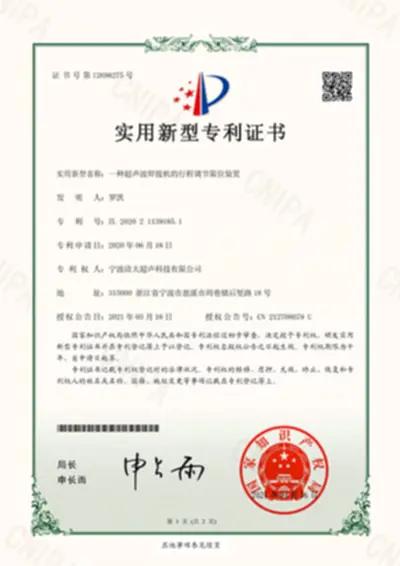
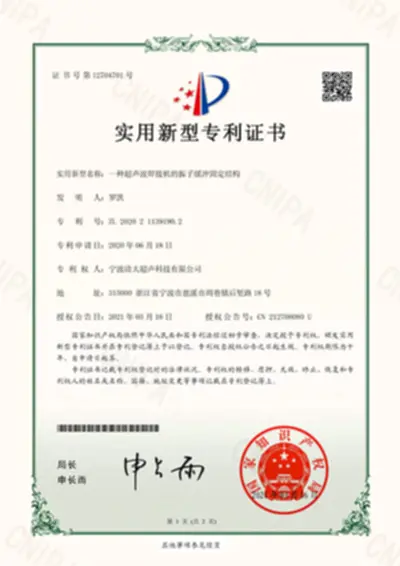
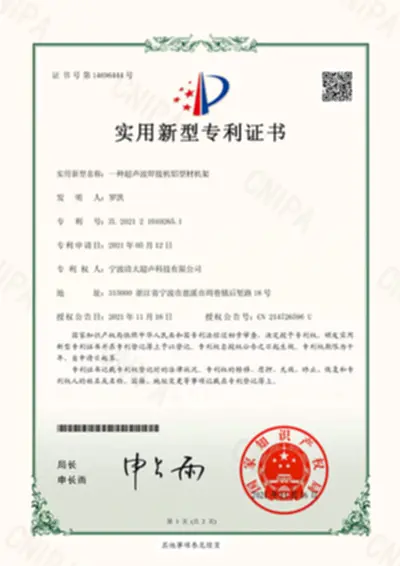
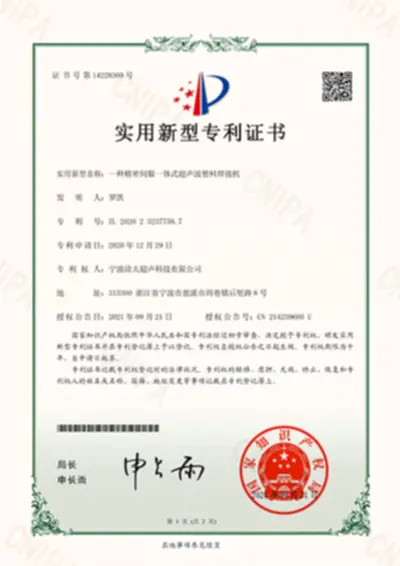
Validation of Professionalism, Engineering Excellence, and Global Trust
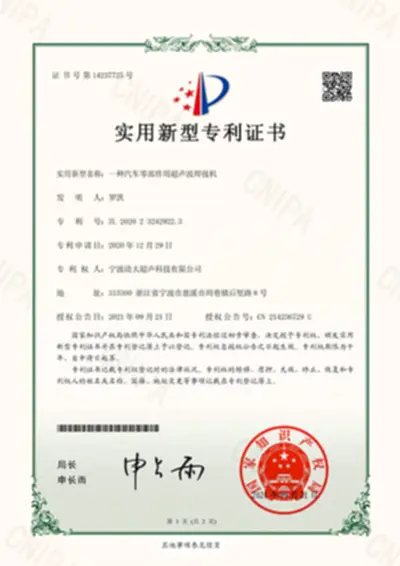
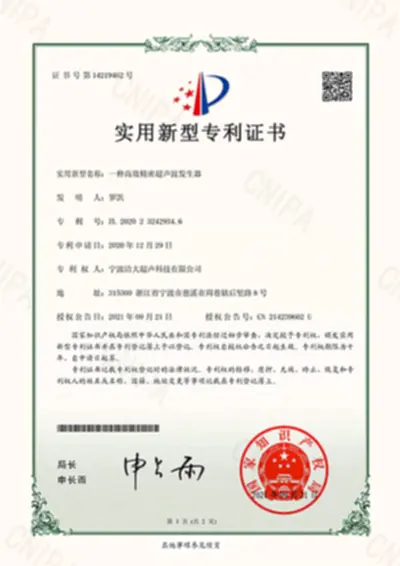
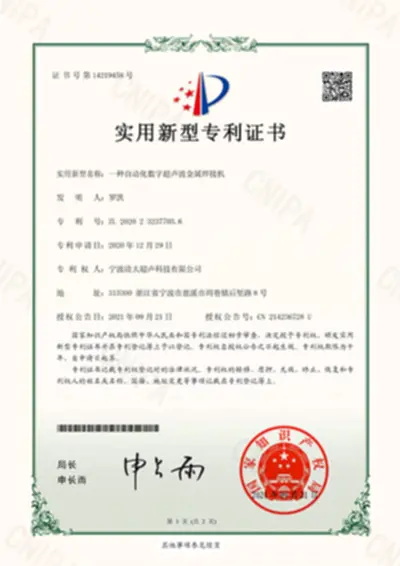
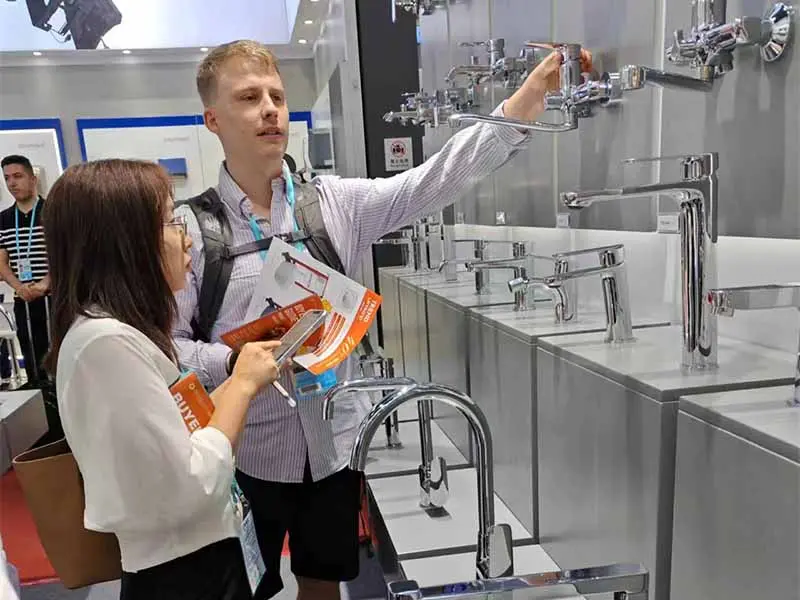
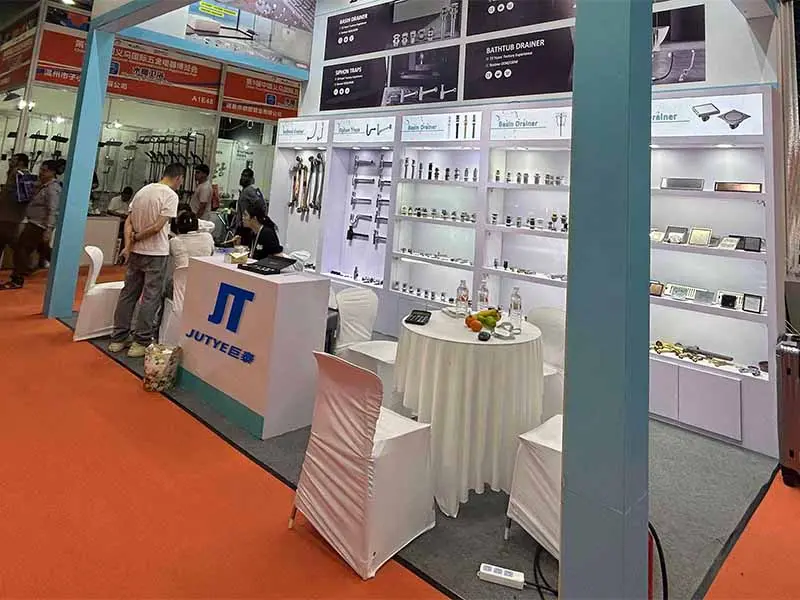
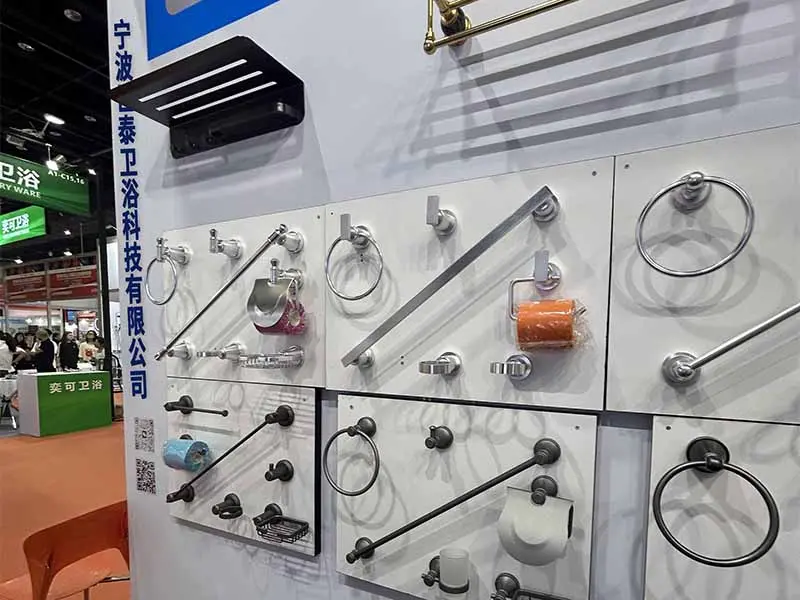
Expert Sourcing Answers Addressing Core Plumbing Sourcing Questions
A: Reputable factories provide material test reports (MTR) demonstrating that the wetted surface of the faucet contains less than 0.25% lead content by weight. You should verify that the manufacturer holds certifications such as NSF/ANSI 372 or cUPC, and check that their materials are tested by accredited laboratories like IAPMO or CSA.
A: Gravity casting pours molten brass into molds using only gravity, resulting in thick walls, low internal stress, and superior resistance to high hydraulic pressure. Die casting injects molten metal under high pressure. While die casting offers faster production and a smoother surface finish, gravity-cast faucet bodies are generally preferred for heavy-duty commercial sanitary applications due to their long-term durability.
A: Premium anti-odor cores (such as silicone or gravity-assisted magnetic cores) open under water pressure to allow smooth drainage and close automatically when water flow stops. This creates a mechanical seal that blocks sewage gases, backflow, and insects from entering the bathroom.
A: Grade 304 Stainless Steel contains a minimum of 18% chromium and 8% nickel, which provides excellent resistance to corrosion, pitting, and rusting from exposure to water, soap chemicals, and household cleaners. Grade 201 has lower nickel content and is prone to corrosion in humid bathroom environments over time.
A: High-quality ceramic disk cartridges are designed and tested to withstand 500,000 to 1,000,000 opening and closing cycles. This complies with standard life cycle regulations like EN 817 and ASME A112.18.1, translating to 10 to 15 years of trouble-free daily use.
A: Yes, OEM/ODM manufacturers like Ningbo Jutye customize products by laser-engraving or etching brand logos onto metal plates and handle trims. This is a standard part of the manufacturing process for private-label distributors and hotel chains.
A: Products should be packed in custom-molded high-density foam or bubble inserts, then placed inside 5-ply corrugated cardboard boxes. These boxes are then wrapped in waterproof plastic film and secured on pallets to prevent moisture damage and physical impact during transit.
A: To begin custom tooling, the client provides 3D CAD models (STEP/IGS format) or physical samples. The engineering team then conducts a design-for-manufacturability (DFM) review. Once approved, the mold is created, and prototype samples are cast and pressure-tested before starting mass production.
Heavy-duty hardware and installation accessories for commercial and residential bathroom systems.