JUTYE SANITARY
JUTYE SANITARY
JUTYE SANITARY
Explore our top-tier catalog of precision-engineered brass fittings, bathroom hardware, and structural control devices.
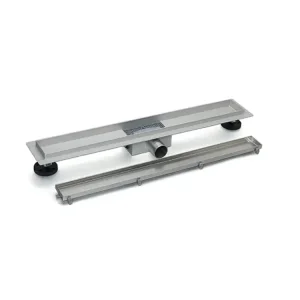
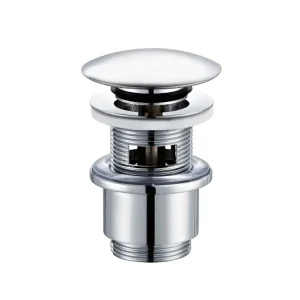
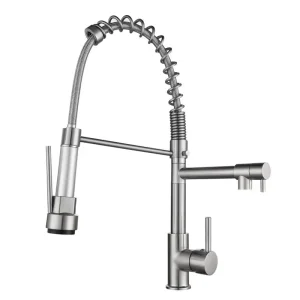
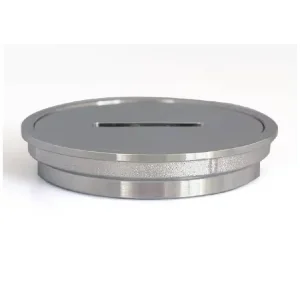
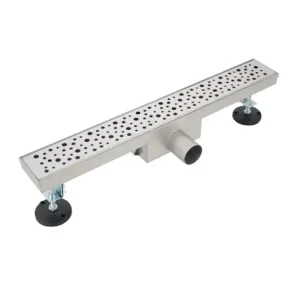
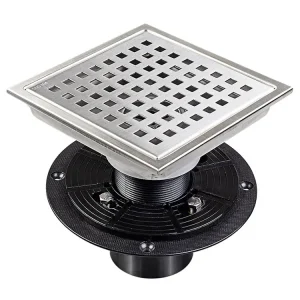
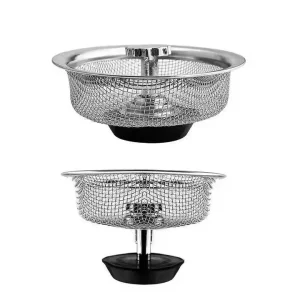
The indispensable role of modern ball valves in commercial, residential, and specialized manufacturing plants.
In modern industrial fluid dynamics and sanitary infrastructure, the selection of reliable flow control mechanisms serves as a fundamental benchmark for structural integrity and systemic safety. Among various mechanical control components, the ball valve stands out as a crucial asset. Utilized for starting, stopping, and regulating fluid streams, high-quality ball valves offer exceptional sealing performance, structural longevity, and minimal operational resistance.
For global procurement managers, identifying the top ball valve suppliers involves more than a simple transaction. It requires evaluating a supplier's engineering methodologies, testing parameters, and raw material supply chain. As municipal codes tighten and green-building certificates demand lower water usage and non-hazardous materials, sourcing engineers must evaluate components according to strict quality standard frameworks.
“Information Gain Advantage: Modern building projects are shifting towards full-system verification. Sourcing a ball valve is no longer just about buying metal parts—it is about purchasing verifiable compliance, proven metallurgical integrity, and engineering consistency that ensures long-term system health.”
This report details the specifications, design variables, and global logistics profiles that separate top-tier manufacturers from standard suppliers. By understanding these parameters, procurement departments can minimize risk, optimize operational efficiency, and lower the Total Cost of Ownership (TCO) across complex installations.
Dual-sealing structures featuring reinforced PTFE or custom elastomers ensure perfect hermetic performance, reducing system pressure loss and prevent micro-leaks.
Utilizing high-grade lead-free DZR brass, Stainless Steel 304/316, and anti-friction polymer coatings, engineered to withstand aggressive chemical exposures.
Designed for integration with electric and pneumatic actuators, matching the high-speed requirements of smart building management setups.
A comparative analysis of valve design features, material choices, and industry applications.
A primary factor in valve failures is selecting incorrect material grades. Choosing standard materials for harsh environments often leads to early fatigue, stress-crack corrosion, or system leaks. High-quality ball valve manufacturers use refined casting and testing systems to maintain structural integrity under high pressure and temperature variations.
In municipal plumbing, the use of lead-free brass alloys is essential. Dezincification-resistant (DZR) brass prevents zinc loss in aggressive water conditions, helping preserve structural strength. For industrial applications, Stainless Steel 304 and 316 remain standard choices due to their resistance to acid and alkaline chemical systems. Below is a detailed view of standard materials and operating parameters for high-performance ball valves:
| Material Designation | Common Standards | Pressure Rating (PN) | Temperature Range | Primary Applications |
|---|---|---|---|---|
| Lead-Free DZR Brass | CW602N, UNS C35330 | PN16 - PN25 | -20°C to 120°C | Potable Water Systems, Residential Plumbing, HVAC Loops |
| Stainless Steel 304 | ASTM A351 CF8, EN 1.4301 | PN25 - PN64 | -40°C to 180°C | Food & Beverage Processing, Chemical Conveyance, Industrial Air |
| Stainless Steel 316 | ASTM A351 CF8M, EN 1.4404 | PN40 - PN100 | -50°C to 230°C | Marine Environments, High-Acid Chemical Processing, Pharmaceuticals |
| Forged Brass (Standard) | CW617N, UNE-EN 12165 | PN10 - PN16 | -10°C to 110°C | Non-Potable Water Systems, Closed Loop Heating, Compressed Gas |
Fluid rushing through a partially closed valve can create local low-pressure areas, leading to vapor bubble formation. When these bubbles collapse, the resulting micro-jets can pit and erode the valve surface over time. Top-tier ball valve designs address this through precision-engineered flow paths and matching ports. These features minimize turbulence and keep pressure distributions stable, extending the operational life of the system.
Integrating advanced design, specialized processing technology, and strict quality control processes.
NINGBO JUTYE SANITARY TECH CO., LTD is a professional manufacturer and supplier of sanitaryware accessories, plumbing components, and flow control systems. Headquartered in the manufacturing hub of Ningbo, Zhejiang, the company benefits from close proximity to the seaport of Ningbo, enabling efficient international logistics and stable supply chain pathways for customers globally.
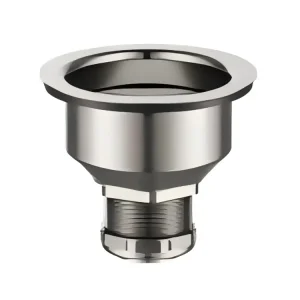
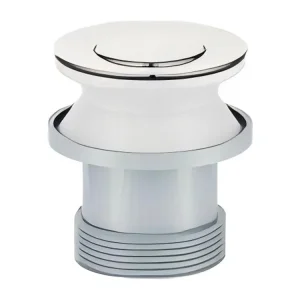
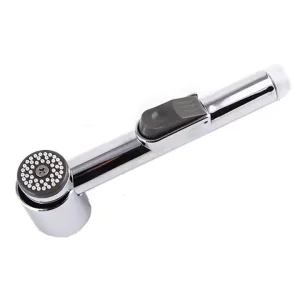
Our comprehensive production framework covers a wide range of hardware fittings, including plastic accessories, premium brass fittings, floor drains, sink drains, shower caddies, angle valves, and customized bathroom hardware. We serve OEM and ODM partners worldwide, delivering products designed to meet strict international standards.
By optimizing manufacturing operations and maintaining close control over supply chain steps, we offer competitive pricing structures without compromising on material selection or quality testing. From raw material procurement to final inspection, we carry out comprehensive quality checks to ensure stable performance and product reliability.

Addressing supply chain risks, regulatory compliance, and installation efficiency across large-scale projects.
Large-scale building and construction projects require reliable supply chains. Delaying a project due to components like plumbing connectors or valves can stall installation timelines, resulting in high overhead fees. Top-tier suppliers address these risks by keeping backup raw material stocks, using automated production machinery, and providing transparent shipping timelines.
Additionally, regional water safety and environmental rules differ significantly between territories. Products sold in North America must meet lead-free criteria like NSF/ANSI 61 and NSF/ANSI 372, while European installations must comply with local directives such as WRAS, KTW, or ACS. Sourcing from a manufacturer like Ningbo Jutye, which is familiar with global regulatory standards, ensures imported components comply with local inspection codes.
“Strategic Sourcing Tip: Standardizing your components on certified lead-free brass or high-grade stainless steel helps simplify regional compliance, lowers spare-parts inventory overhead, and protects your installations from regulatory liabilities.”
Top-tier valve designs also focus on ease of installation. Features like blowout-proof stems, adjustable packing glands, and mounting pads for actuators help reduce assembly times, lowering labor costs on job sites.

For brands and distributors looking to build market share, product differentiation is key. We offer customized design services to align hardware components with your brand's style and functional needs.
An overview of smart sensor integration, eco-friendly manufacturing, and automated building networks.
The plumbing and flow control industry is shifting toward smart technology and sustainable designs. With green building standards like LEED and BREEAM gaining global adoption, manufacturers must look beyond basic metal casting. The next generation of flow control products focuses on reducing environmental impact during production and improving resource efficiency during operation.
Smart building management systems (BMS) are driving this change. Traditionally passive mechanical components like valves and strainers are becoming active nodes within digital building networks. By integrating low-power sensors and automated actuators, modern valves do more than start or stop flow—they can monitor system pressure, detect temperature shifts, and identify leaks in real time.
Material science is also progressing. Researchers and manufacturers are studying lead-free brass alloys, low-friction polymer seals, and corrosion-resistant coatings to improve valve performance and longevity. These material improvements help reduce the frequency of system repairs, lowering maintenance costs over the lifetime of a building.
How top-tier suppliers use systematic testing protocols to maintain product reliability and compliance.
In high-pressure systems, a single defect can cause serious operational issues. High-quality manufacturers use rigorous quality control processes to ensure every component meets target specifications before leaving the factory.
This process begins with raw material verification. Using optical emission spectrometers, technicians analyze the alloy composition of incoming metal to ensure it matches the specified standards. This step prevents contaminated or out-of-specification metals from reaching the manufacturing floor.
During machining, automated CNC machinery maintains tight tolerances on valve bores, stems, and sealing seats. Once assembled, every valve undergoes pressure testing—using air or water—to confirm bubble-tight sealing. These systematic testing procedures are key to providing long-lasting, reliable products for demanding commercial and industrial systems.
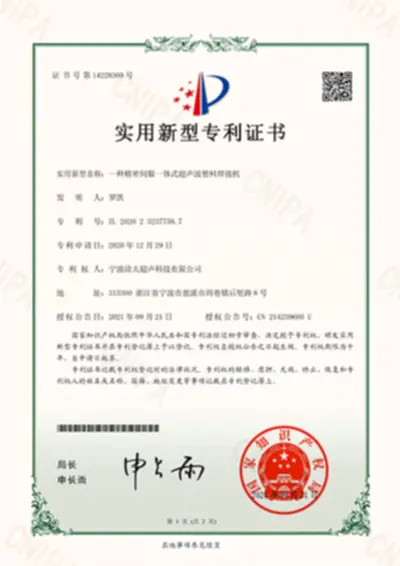
Our production facilities maintain compliance with international manufacturing standards, ensuring products meet safety and performance guidelines across different regions:
Answers to common engineering and sourcing questions from our clients.
Premium drainage components, hose assemblies, and utility valves for global distribution networks.