JUTYE SANITARY
JUTYE SANITARY
JUTYE SANITARY
Engineered to withstand rigorous commercial demand and ensure leak-proof performance under high pressure ranges.
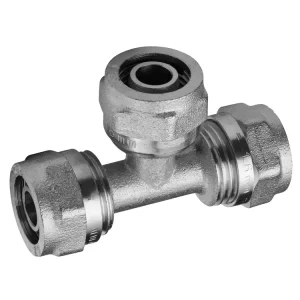
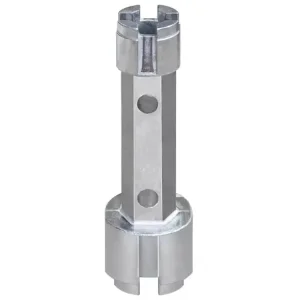
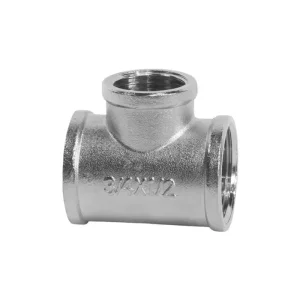
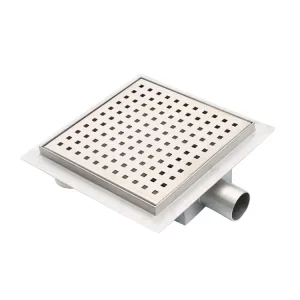
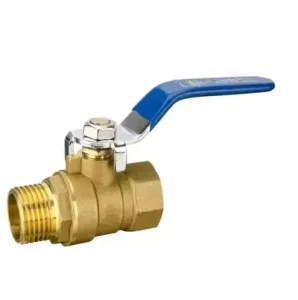
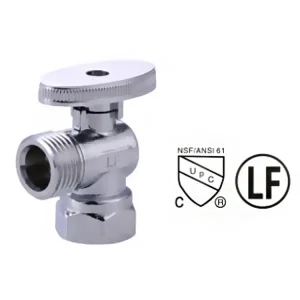
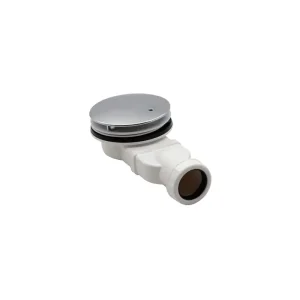
Critical mechanical configurations for fluid distribution in high-density residential and commercial infrastructure.
In modern civil engineering, building services, and plumbing logistics, the role of local flow shut-off mechanisms cannot be overstated. Angle valves operate as the primary safety point of isolation, positioned at the critical boundary where structural distribution systems transition into terminal consumer appliances. A localized failure in this segment immediately jeopardizes water pressure security and exposes structural zones to water damage. Leading Chinese angle valve manufacturers have recognized this paradigm shift, migrating from traditional low-cost commodity manufacturing to precision mechanical engineering to deliver heavy-duty flow regulation for complex commercial setups.
From a macro-systemic viewpoint, angle valves must endure complex fluid dynamics including dynamic pressure fluctuations, thermal stress cycle, and chemical degradation from dissolved scale components. A failure in the plumbing system’s terminal node can compromise safety and operations. Thus, engineers look toward specialized manufacturers who design valves capable of managing high nominal pressures (such as 600 WOG - Water, Oil, Gas rating) and maintaining reliable operations over thousands of thermal cycles. High-grade brass alloys, precision-molded internal seals, and ceramic control plates are vital elements in preventing micro-frictional wear over prolonged installation timelines.
| Parameter | Residential Grade Valves | Industrial / Commercial Valves (JUTYE Standard) | Engineering Impact |
|---|---|---|---|
| Material Formulation | Standard HPb59-1 Brass | DZR Brass (Dezincification Resistant) / SS304 | Corrosion resistance and structural integrity in hard water |
| Internal Mechanism | Rubber compression washers | 99% Alumina Oxide Ceramic Disc Cartridge | Eliminates drip failures, offers smooth operation |
| Burst Pressure Limit | 1.6 MPa (PN16) | 2.5 MPa (PN25) to 4.0 MPa (PN40) | Ensures protection against municipal water hammer surges |
| Lead Migration Limits | Non-compliant basic alloy | Low-lead (< 0.25% Pb) or Lead-free Silicon Brass | Meets strict global drinking water safety protocols |
Evaluating industrial capability, material pipelines, and macroeconomic dynamics driving production hubs in Zhejiang.
The global demand for high-end brass valves and connection fittings has driven consolidation across specialized regional clusters. The Ningbo industrial zone in Zhejiang, China, has emerged as a premier hub, integrating metal smelting, structural forging, automated machining, surface processing, and quality inspection within a tight geographical radius. This industrial clustering enables rapid turnarounds, allowing companies like Ningbo Jutye Sanitary Tech Co., Ltd to easily coordinate shipping, production, and technology scale-ups.
In terms of logistics, being situated near the deepwater port of Ningbo significantly reduces international delivery timelines and transshipment costs. European, North American, and Australian procurement managers leverage this proximity to implement Just-In-Time (JIT) inventory strategies. Furthermore, the supply chain ecosystem is optimized to handle volatile copper and zinc alloy raw material markets, safeguarding global clients from unexpected pricing spikes through strategic raw material hedging and automated manufacturing processes.
Integrated raw material sourcing contracts shield manufacturers from local supply blockages, guaranteeing continuous high-volume production even during market fluctuations.
Automated casting, multiaxial CNC drilling, and assembly lines reduce labor costs per unit while raising tolerance repeatability to +/- 0.01mm.
Proximity to Ningbo Port enables rapid ocean freight handling, optimized customs clearance pipelines, and efficient shipping routes to key global ports.
Navigating drinking water safety regulations, lead-free metal certifications, and global validation standards.
Entering international markets requires strict compliance with domestic plumbing codes. Different regions impose unique mechanical and chemical verification standards. In North America, the NSF/ANSI 61 and NSF/ANSI 372 standards regulate heavy metals to ensure lead-free safety, restricting the wetted surface lead content to less than 0.25%. In Europe, regulatory bodies like WRAS (United Kingdom), DVGW (Germany), and ACS (France) test non-metallic components for potential bacterial growth and water taste contamination.
Ningbo Jutye Sanitary Tech Co., Ltd addresses these regulatory needs by executing advanced metal washing protocols and deploying lead-free bismuth-brass or copper-silicon alloys. The chemical composition is continually verified through optical emission spectrometers to guarantee every batch matches local specifications, reducing risk for commercial importers and project contractors.

Understanding thread configurations and regional standards is critical for reliable connections:
A deep dive into valve body forging, ceramic cartridge chemistry, and advanced surface finishes.
The reliability of an angle valve depends heavily on two main components: the structural chemistry of the metal casing and the shear strength of the internal shut-off cartridge. High-pressure hot forging presses (typically 400 to 600 tons) shape the brass body without creating microscopic voids or structural defects. This yields a dense, uniform grain structure that resists dezincification and stress corrosion cracking (SCC).
For internal mechanics, modern designs have shifted away from traditional rubber seals, which degrade under warm, chlorinated municipal water. High-performance models feature ceramic disc cartridges utilizing 95% to 99% pure alumina oxide ($Al_2O_3$). The polished ceramic faces slide together to form a tight, watertight seal. These surfaces resist mineral scaling and particulate abrasion, maintaining smooth operation for over 500,000 cycles.
To withstand chemical exposure, condensation, and cleaning agents in bathrooms and kitchens, valves undergo multi-layer electroplating processes:
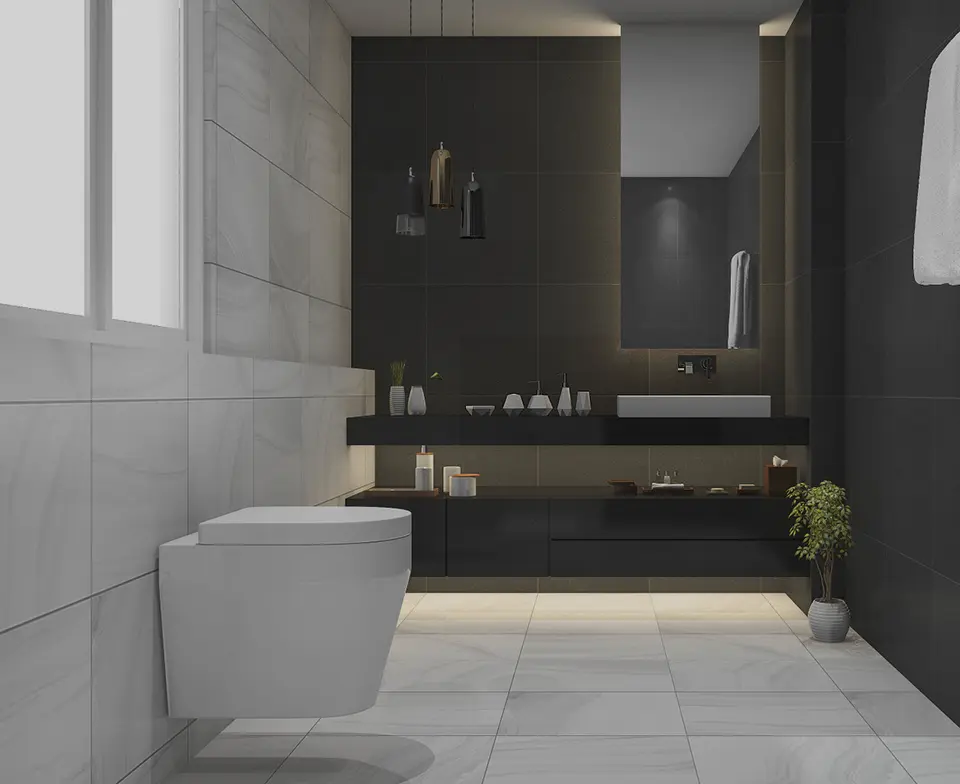
Tailored brass composition, custom brand engraving, and personalized geometric design workflows.
Every commercial market has unique requirements for cosmetic design, thread sizing, and product weight. As a comprehensive OEM and ODM provider, Ningbo Jutye Sanitary Tech Co., Ltd works directly with client engineering teams to transition conceptual ideas into production-ready designs. Our engineers use advanced finite element analysis (FEA) to simulate stress distribution under water hammer conditions, optimizing wall thicknesses without wasting raw materials.
We provide full customization, from laser-etched brand identifiers to unique surface finishes like matte black, brushed gold, and antique brass. This flexibility allows global brands, distributors, and developers to source high-quality components that match their branding and local installation needs.
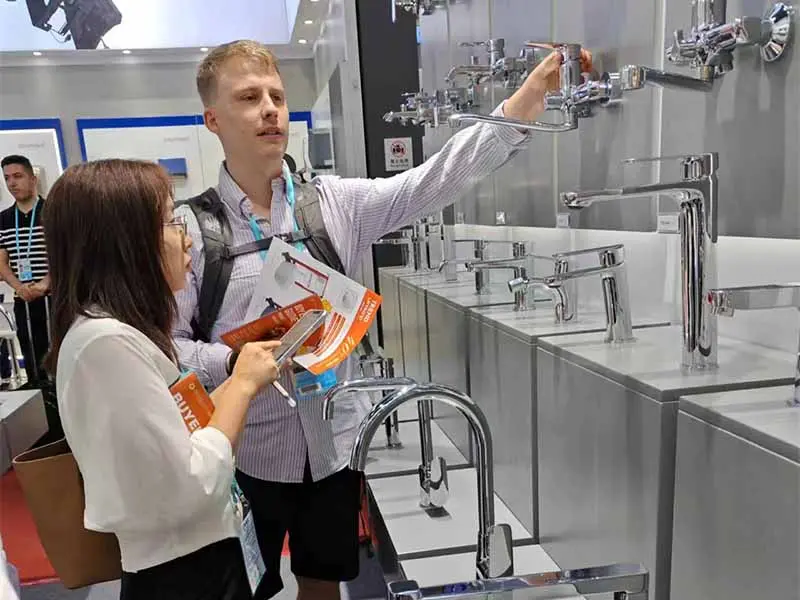
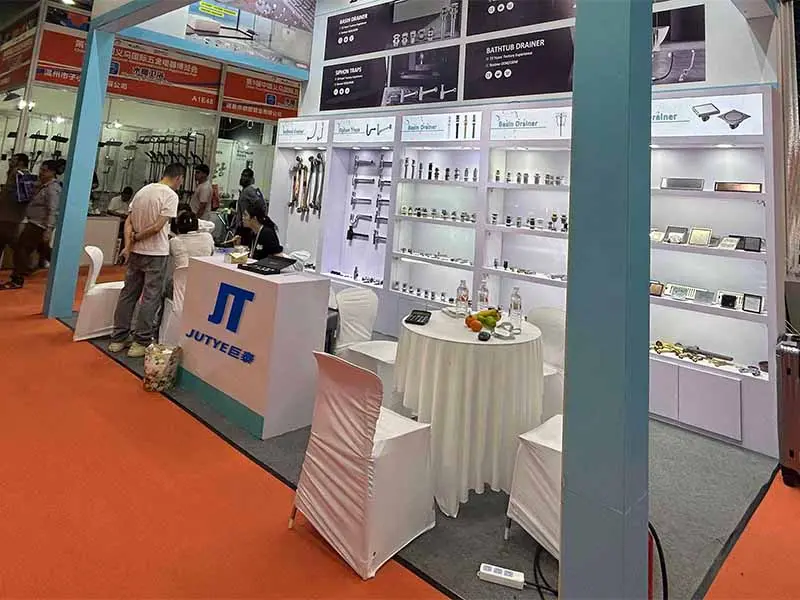
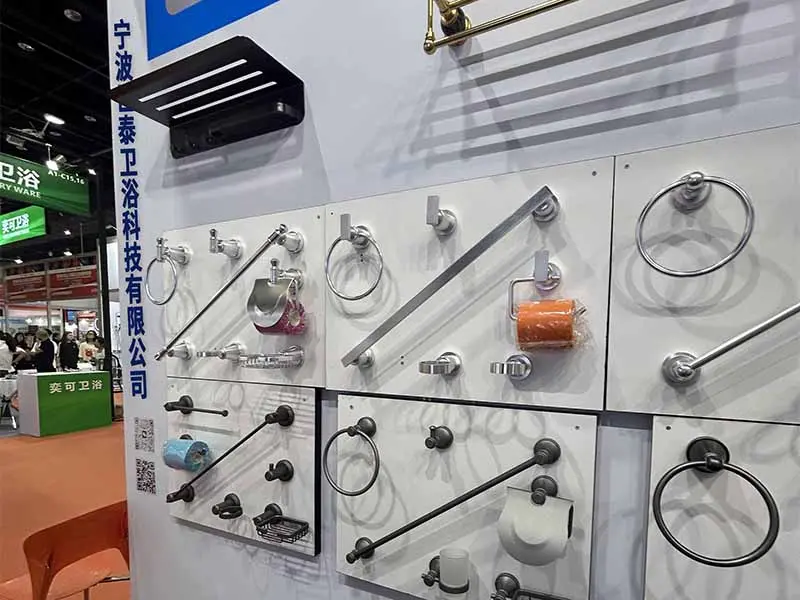
Analyzing high-stress installations, luxury residential developments, and commercial facilities.
Plumbing systems face different challenges depending on the building type. In high-rise residential properties, static pressure rises on lower levels. Our commercial-grade brass ball valves act as reliable shock absorbers, preventing leaks caused by sudden pressure spikes. In high-traffic commercial spaces like hotels and airports, valve mechanisms must withstand constant usage, making low-friction ceramic discs a key operational requirement.
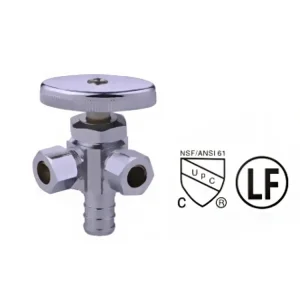
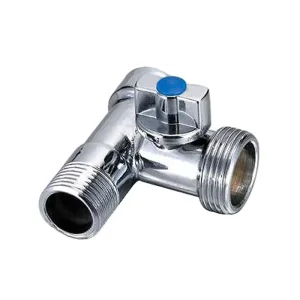
For residential kitchens and laundry systems, dual-outlet angle valves allow users to connect multiple appliances—like dishwashers and water filtration units—to a single cold-water supply pipe. This design eliminates complex manifold installations, reducing installation time and potential leak points.
Designed with thicker walls and reinforced threads, these valves resist structural distortion and leaks in high-pressure distribution zones.
Heavy-duty brass casings and vandal-resistant metal handles prevent tampering and lower maintenance costs in public buildings.
Dual-outlet, quarter-turn shutoffs make it simple to connect modern appliances and water-filtration systems without complex plumbing work.
Eco-design principles, lead elimination, and smart manufacturing.
Global environmental regulations are driving change in the plumbing industry. Manufacturers are shifting toward sustainable production methods that lower carbon emissions, reduce material waste, and eliminate heavy-metal contaminants. At Ningbo Jutye, our research focuses on eco-friendly brass formulations and lead-free alloys that prevent heavy metal leaching while remaining easy to machine.
Additionally, we continue to invest in factory automation. Automated hot forging, robotic polishing, and real-time pneumatic leak detection systems improve manufacturing consistency. This reduces production waste and ensures that every valve meets our quality standards.
Answering common questions from MEP engineers, wholesale distributors, and commercial procurement managers.
Dezincification-Resistant (DZR) brass is specially formulated to prevent zinc leaching in aggressive water conditions. In standard brass, zinc loss weakens the metal framework, leading to micro-porosity and leaking. DZR brass maintains its mechanical strength and structural integrity over long-term installations.
NPT threads have a 60-degree angle and a taper, sealing through thread deformation. BSPT threads have a 55-degree angle and a taper, popular in European and Commonwealth systems. G threads (BSPP) are parallel threads that seal using an O-ring or washer rather than the threads themselves.
We use a multi-step quality control process. The brass composition is verified via spectrographic testing before forging. After machining, every valve is pneumatic-tested at 6 to 8 bars of air pressure. Finally, random units undergo lifetime cycle and high-pressure burst testing in our laboratory.
Replacing lead with alternative additives like bismuth or silicon alters the machining characteristics of the alloy. To prevent brittleness, we modify our heat treatment and forging temperatures. This preserves tensile strength and ensures compliance with drinking water regulations like NSF/ANSI 372.
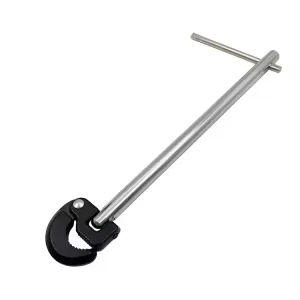
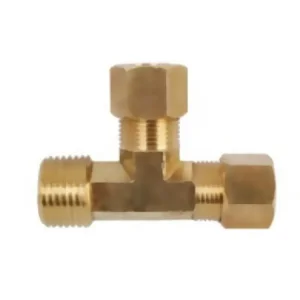
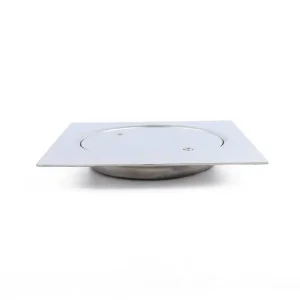
Explore our selection of heavy-duty floor drains, brass connectors, and specialized installation tools.