JUTYE SANITARY
Angle Wall systems have gained much attention in the construction industry. With their innovative design and functionality, they offer numerous advantages. Renowned expert in structural engineering, Dr. James Rossi, once stated, "The strength of Angle Wall systems lies in their versatility and stability." This insight highlights why Angle Wall is a compelling choice for builders.
Using Angle Wall not only enhances aesthetic appeal but also ensures durability. The unique angles allow for better load distribution, creating a more resilient structure. Projects incorporating Angle Wall have shown improved performance in various environmental conditions. However, some may overlook these benefits, focusing instead on traditional methods without exploring new possibilities.
While Angle Wall systems have proven effective, they are not without challenges. Some builders express concerns about installation complexity. Addressing these issues can lead to better outcomes for future projects. Embracing the Angle Wall approach can revolutionize construction, but reflection on potential drawbacks is essential for success.
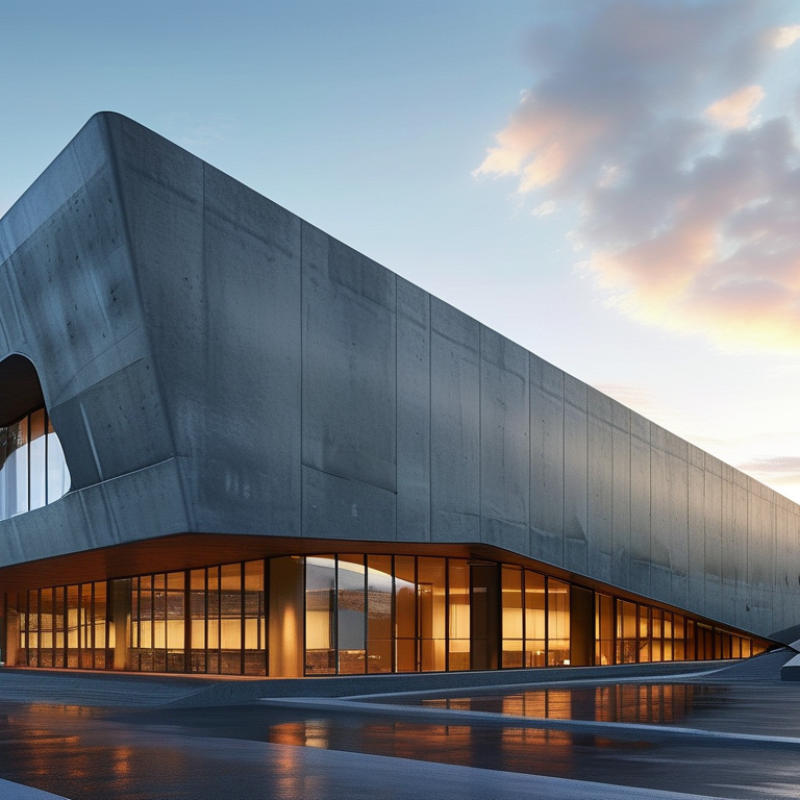
In the realm of construction, the choice of materials significantly impacts project outcomes. Using Angle Wall systems offers notable benefits. According to the International Energy Agency, about 30% of energy used in buildings could be saved through effective insulation and design. Angle Wall products can enhance thermal efficiency, retaining heat in winter and keeping spaces cool in summer. Such energy efficiency is increasingly crucial as energy costs rise.
Furthermore, Angle Wall systems contribute to labor savings. The Modular Building Institute reports that modular construction can reduce labor costs by up to 20%. This is due to the prefabricated nature of these systems, which simplifies the construction process. Workers can install Angle Wall components quickly, minimizing onsite labor time. However, challenges like integration with existing structures should be assessed. Proper planning is necessary to address potential compatibility issues.
Lastly, sustainability is a growing concern in construction. A study from the U.S. Green Building Council shows that sustainable building practices can increase property value by 7.5% on average. Angle Wall materials often have a smaller carbon footprint compared to traditional options. This aligns with a broader push for environmentally responsible design. While benefits are clear, ongoing evaluation of material performance and project execution is vital for maximizing advantages.
Angle Wall systems offer a unique approach to modern construction. Their design promotes both functionality and aesthetic appeal. The innovative features include enhanced durability and energy efficiency. These systems can withstand harsh weather conditions. They provide superior insulation, reducing energy costs. Additionally, their modular design allows for quick and flexible installation.
Tips for using Angle Wall systems include understanding local building codes. This ensures compliance and avoids potential legal issues. Consider the climate in your area, as it affects materials choice. It's essential to involve experienced architects early in the design process. Their expertise helps maximize the benefits of Angle Wall systems.
Despite their advantages, Angle Wall systems are not without challenges. The initial investment might be higher than traditional walls. Some contractors may require training to adapt to the new methods. However, the long-term efficiency can outweigh these upfront costs, making it a worthy consideration.
| Feature | Description | Benefits |
|---|---|---|
| Durability | Designed to withstand harsh environmental conditions. | Reduces maintenance costs and increases lifespan. |
| Energy Efficiency | High thermal resistance to minimize energy consumption. | Lower energy bills and environmental impact. |
| Design Flexibility | Customizable to fit various architectural designs. | Enhances aesthetic appeal and meets unique project requirements. |
| Quick Installation | Pre-fabricated components for fast assembly on-site. | Saves time and reduces labor costs. |
| Sustainability | Made from eco-friendly materials with low emissions. | Supports green building certifications and sustainable practices. |
When considering construction materials, cost efficiency is paramount.
Angle Wall systems offer a unique solution by significantly reducing long-term expenses. According to a recent industry report, using precast concrete walls can cut energy costs by up to 30%.
This savings stems from their superior insulation properties, minimizing heating and cooling requirements. Better insulation leads to lower utility bills, which compounds savings over the building's lifespan.
Durability is another key factor. Reports indicate that concrete structures last longer than traditional materials, reducing maintenance and repair costs. This is especially important for commercial projects where longevity matters.
A study from the National Association of Home Builders revealed that nearly 70% of homeowners prioritize durability over aesthetic aspects.
Is a lower upfront cost worth the long-term risks of frequent repairs?
Design flexibility also plays a role in cost efficiency. Angle Wall systems allow for diverse architectural styles without sacrificing structural integrity. Yet, some experts argue that these systems can raise initial investment costs.
We must reflect on the balance between upfront costs and future savings. Decision-making can sometimes overlook the broader financial impact of construction choices.
Understanding these complexities is essential in pursuing a truly cost-effective project.
When considering construction materials, environmental sustainability matters.
Angle Wall solutions emphasize eco-friendly practices. A recent report from the World Green Building Council indicates that buildings contribute to 39% of global carbon emissions. This statistic highlights the importance of choosing sustainable materials. Angle Wall systems are designed to minimize waste and enhance energy efficiency, offering a practical approach to reducing a building's overall environmental footprint.
Tips: Assess life cycle impacts. Conduct a detailed analysis of materials before selection. This ensures your choice aligns with sustainable practices.
Angle Wall systems utilize recycled materials. This contributes to reducing landfill waste. According to the U.S. Green Building Council, projects incorporating recycled content can earn significant LEED points. However, reliance on recycled materials requires careful evaluation of quality and performance. This may raise concerns about durability in the long term.
Tips: Balance performance and sustainability. Sometimes, eco-friendly materials may not meet specific project requirements.
As construction shifts towards greener solutions, businesses must adapt. Angle Wall solutions highlight innovation in sustainability. Yet, the industry must address the challenges of integrating these materials effectively. Ongoing education and improvements are crucial for maximizing their environmental benefits.
When it comes to construction projects, industry standards and compliance play a critical role. Angle Wall is engineered to meet these rigorous standards. Its design accommodates safety regulations and environmental guidelines, ensuring projects run smoothly. Using verified materials enhances structural integrity. Compliance with local codes mitigates risks during construction.
The meticulous detailing in Angle Wall's technology reflects expertise. Each component is crafted to uphold strict quality control measures. Regular certifications from independent agencies reinforce its credibility. However, it is important to recognize that not all projects may find perfect alignment with these standards. A thorough evaluation of your specific requirements is always needed.
Despite its advantages, there are areas for improvement. Some installations may require adjustments to fit unique site conditions. Engaging with construction professionals can uncover these tailored solutions. This collaborative effort not only assures compliance but also elevates the overall project outcome.
ngle Wall systems?
They can reduce labor costs by up to 20%. Prefabricated components simplify installation, saving time on site.
Sustainable practices can increase property value by 7.5%. Angle Wall materials often have a smaller carbon footprint.
Angle Wall solutions focus on reducing waste and enhancing energy efficiency. This approach lowers the overall environmental impact.
Using recycled materials reduces landfill waste. However, careful evaluation is needed to ensure quality and durability.
Yes, they meet rigorous safety and environmental standards. Compliance helps ensure project success and structural integrity.
Assess life cycle impacts and sustainability. It's vital to balance performance with eco-friendly materials.
Some installations may require adjustments. Working with professionals helps find tailored solutions for unique site conditions.
Potential integration issues with existing structures can occur. Proper planning and evaluation are essential before implementation.
Ongoing evaluation and education are crucial. This ensures that performance aligns with sustainability goals and project requirements.
In the realm of construction, Angle Wall presents a compelling option due to its unique benefits and innovative design features. The Angle Wall system is not only renowned for its cost efficiency, providing long-term savings on project budgets, but also stands out for its commitment to sustainability, minimizing environmental impact. These attributes make Angle Wall an ideal choice for modern construction projects aiming to meet industry standards and compliance requirements seamlessly.
By incorporating Angle Wall solutions, contractors can enhance the overall structural integrity and aesthetic appeal of their projects while supporting eco-friendly practices. The combination of cutting-edge technology and compliance with industry regulations further solidifies Angle Wall's reputation as a frontrunner in the construction industry, making it a wise investment for any future building endeavor.
