 JUTYE SANITARY
JUTYE SANITARY
JUTYE SANITARY
In the construction industry, efficiency and reliability are crucial. Water stop solutions play a vital role in ensuring that structures remain waterproof. These products prevent water leakage, especially in crucial areas like basements, tunnels, and water treatment plants. Selecting the right water stop is essential for global buyers, particularly those sourcing from China.
Chinese manufacturers offer a diverse range of water stop solutions. These products show innovation and quality, meeting the needs of various projects. Buyers benefit from understanding the different types available, such as PVC, rubber, and hydrophilic options. Each type has unique properties that can address specific issues in construction and engineering.
However, buyers should also consider potential challenges. Sourcing from overseas can lead to quality inconsistencies. It's important to conduct thorough research and choose reputable suppliers. By doing so, global buyers can ensure they acquire reliable water stop products that meet their standards.
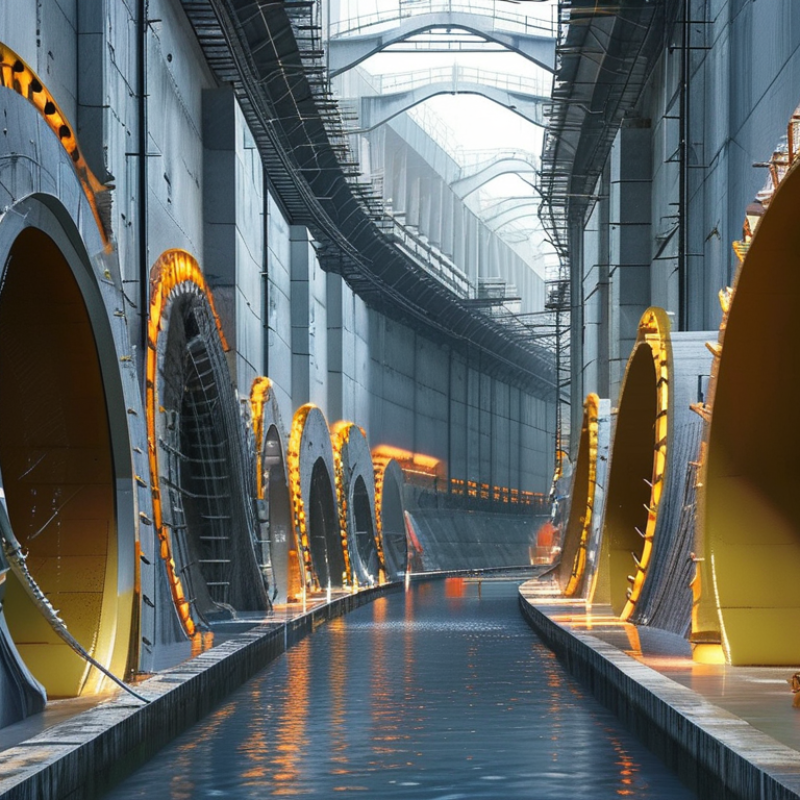
Water stop solutions play a crucial role in construction projects, especially in waterproofing. In China, numerous options cater to global buyers. The market is projected to grow at a CAGR of 4.8% through 2027, indicating increased demand for effective water stop technologies.
Many buyers seem unaware of the variety. Traditional PVC and bentonite water stops dominate the market, yet newer materials like hydrophilic water stops are gaining traction. These innovative solutions offer expanded performance in various environments. Research shows that improper installation can lead to significant failures. It's essential for buyers to understand installation techniques.
**Tip:** Always verify the technical specifications of water stop products before purchasing. Some products may promise high performance but lack real-world testing.
Buyers should also consider the manufacturer’s reputation. A reliable supplier will provide insights on installation and warranty. Not all manufacturers adhere to international standards, which could affect performance. Reviews and case studies are beneficial resources. They help gauge the reliability of products in similar projects.
**Tip:** Consult industry expert publications for the latest trends and insights to make informed decisions about water stop solutions.
| Solution Type | Material | Applications | Size Range (mm) | Average Price (USD/m) |
|---|---|---|---|---|
| PVC Water Stops | PVC | Concrete structures, waterproofing | 150 - 300 | 2.50 |
| Bentonite Water Stops | Bentonite clay | Underground applications, tunnels | 100 - 250 | 3.00 |
| Hydrophilic Water Stops | TPU | Expansion joints, precast concrete | 150 - 300 | 4.00 |
| Rubber Water Stops | Natural Rubber | Dams, spillways | 200 - 500 | 5.50 |
| Ethylene-Propylene Diene Monomer (EPDM) Water Stops | EPDM | Water treatment plants, reservoirs | 150 - 300 | 6.00 |
: Water stop products prevent water infiltration in concrete structures. They are essential for effective waterproofing in construction projects.
Evaluate durability, certifications, and supplier reputation. Conduct thorough research and analyze their quality assurance processes.
Local suppliers offer tailored solutions for specific regional challenges. They understand local climate conditions and soil types.
Always analyze sample products. This helps assess durability and performance before committing to larger orders.
High-quality products meet industry standards. Poor quality can lead to project failures and significant costs in the long term.
Maintain clear dialogue about specifications and delivery timelines. This can prevent misunderstandings and ensure smoother transactions.
Customer reviews provide valuable insights into supplier reliability. They can guide your decision-making process during the supplier selection.
Check if suppliers adhere to international quality standards, particularly those established by national authorities in China.
Conduct thorough due diligence. This helps prevent unexpected issues and ensures smoother supply chain operations.
Local experts understand regulations and best practices. Their insights can enhance the success of your importing efforts.
The article "Top Water Stop Solutions for Global Buyers in China" provides a comprehensive overview of water stop solutions available in the Chinese market, catering specifically to global buyers. It discusses various types of water stop materials and their specific applications in construction, highlighting their importance in preventing water leakage in structures.
Moreover, the article identifies key suppliers of water stop products in China, emphasizing the critical factors that buyers should consider when sourcing these solutions. It also outlines best practices for importing water stop solutions, ensuring that global buyers can make informed decisions and streamline their procurement processes. Overall, this article serves as a valuable resource for those seeking effective water stop solutions in their construction projects.
