JUTYE SANITARY
In the pursuit of effective water management, Flap Drains serve a crucial role. These innovative systems prevent backflow while allowing drainage during heavy rain. As global buyers search for quality solutions, understanding the nuances of Flap Drains becomes essential.
Selecting the right Flap Drain can be challenging. Various options exist, each catering to specific needs. Buyers often face questions about durability, installation, and maintenance. With numerous products available, making an informed choice is vital. This guide aims to simplify the selection process by highlighting the top 10 Flap Drain solutions.
Flap Drains not only protect properties from flooding but also contribute to sustainable drainage practices. Evaluating products based on expertise and reliability is crucial. The following list explores trusted options, helping buyers navigate a complex market. Each solution is backed by proven performance and customer feedback.
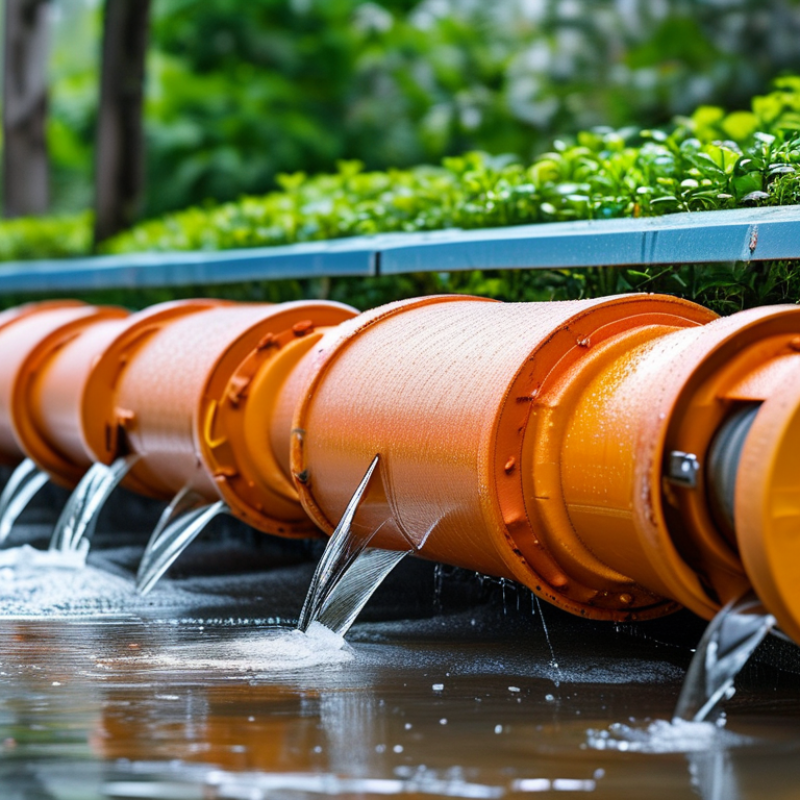
Flap drains play a critical role in effective water management. They prevent the backflow of water while allowing rain or runoff to flow away. In urban areas, managing water flow is essential to avoid flooding. These systems can help minimize property damage and protect infrastructure.
When selecting flap drains, consider their design and materials. Durability is crucial, as these devices face harsh conditions. They must withstand debris and sediment while maintaining functionality. Not all flap drains are created equally, and sometimes, users overlook vital aspects like maintenance. Regular checks can reveal blockages that hinder performance.
There are numerous designs available, each with unique benefits. Some may be more suitable for specific environments than others. Understanding the local landscape is essential for making the right choice. However, finding reliable information can be challenging. Without adequate research, the risk of selecting subpar solutions rises. The journey to find robust flap drain solutions requires time and careful consideration.
This bar chart illustrates the performance ratings of various attributes associated with flap drain solutions, reflecting their importance in effective water management. The data showcases how buyers prioritize different factors when selecting flap drain products.
Flap drains are essential in managing water flow effectively. They help prevent flooding while ensuring a smooth flow of water. Various types of flap drain solutions are available in the global market. Each type serves specific purposes and environments.
One common type features an automatic closing mechanism. This ensures that the drain remains sealed during low flow, blocking unwanted debris. Another type is designed for industrial applications. These models are typically made from robust materials, suitable for heavy-duty use. They can withstand harsh conditions and are reliable in areas with high water flow.
Not all flap drains perform equally. Some may have durability issues over time. It's essential to evaluate the materials used and the manufacturer's reputation. Choosing the right solution requires careful consideration of specific needs and environmental factors. While many options exist, buyers must ensure that the solution meets long-term performance standards. This approach helps avoid future complications and costs.
When selecting quality flap drains, several key features should be considered.
The material is crucial; high-density polyethylene (HDPE) is often preferred for its durability.
According to industry reports, HDPE can last over 50 years, making it a reliable choice.
Flow rate is another essential factor. A flap drain's efficiency directly correlates to its design and size.
Flap drains that can handle varying water levels are more versatile, particularly in regions prone to sudden rainfall.
Tip: Always check the installation requirements.
Some designs need special installation conditions. Make sure to evaluate your drainage needs to avoid future issues.
Effective seal mechanisms prevent backflow and ensure a consistent flow.
Data from industry studies show that drains with robust sealing perform significantly better during heavy rains.
However, monitoring is required; wear can lead to leaks.
Tip: Regularly inspect your flap drains.
Maintenance can prevent costly repairs down the line.
In the search for quality, consider certifications. Many high-standard units undergo rigorous testing.
Choose products endorsed by industry professionals to ensure reliability.
This can save you headaches in the long run, despite the initial cost.
Flap drains are essential for effective water management in various markets. Their design prevents backflow and ensures smooth drainage. Many manufacturers focus on creating products that meet international standards. Reports suggest that global demand for flap drains is projected to grow by 5% annually over the next five years. This growth underlines the importance of quality in manufacturing. Companies must ensure durability and performance to stand out.
Several manufacturers excel in producing high-quality flap drain products. Most emphasize innovative materials that enhance resistance to corrosion and weather conditions. A study by a leading industry analyst revealed that 70% of buyers prioritize longevity over cost. In this competitive landscape, manufacturers must continuously improve their techniques. Quality control processes are crucial, but many companies still face challenges in maintaining consistency.
Investing in research and development is another area manufacturers must enhance. Many struggle to balance cost-effectiveness and innovation. Regular feedback from users can guide improvements. The market needs reliable products, but some manufacturers fall short in meeting these expectations. Addressing these issues can lead to substantial gains in customer trust.
Flap drain technology is evolving rapidly to meet the needs of global buyers. Recent industry reports indicate that the global flap drain market is projected to grow by 5.4% annually from 2023 to 2030. This growth reflects increasing demand for efficient water management solutions in various sectors, especially urban development.
Innovations in materials and design are paving the way for enhanced performance. Manufacturers are now using high-quality composites that resist corrosion and improve durability. Newer models feature integrated sensors that monitor water levels and environmental conditions. Such advancements ensure that flap drains not only perform effectively but also contribute to sustainable management practices.
**Tips**: When selecting flap drains, consider the environmental impact. Look for products that utilize recycled materials. Engage with suppliers who prioritize sustainability in their production processes.
Future trends also highlight the integration of smart technology. Flap drains equipped with IoT devices enable real-time data collection. This allows for better decision-making related to flood prevention and resource management. However, these innovations are not without challenges. The cost of implementing advanced technologies can be high. Buyers must weigh the long-term benefits against upfront investments.
**Tips**: Prioritize suppliers that offer clear data on product performance. Seek out those who can demonstrate real-world case studies on their solutions.
: Flap drains prevent backflow and facilitate water flow during rain or runoff.
Durable materials, like certain plastics, enhance longevity and resilience against harsh conditions.
The design affects flow rate and adaptability to changing water levels, crucial in heavy rainfall areas.
Installation requirements vary; evaluate your drainage needs to avoid potential future issues.
Regular inspections can identify blockages and prevent costly repairs later.
Neglecting maintenance may cause reduced efficiency and unexpected leaks over time.
Quality, durability, and innovative materials are key aspects to consider when selecting manufacturers.
Continuous feedback helps manufacturers improve products, fostering greater customer trust.
While initially costly, investing in quality saves future headaches and repairs.
Maintaining consistency in quality and balancing cost-effectiveness with innovation are significant struggles.
Flap drains play a crucial role in effective water management by allowing the controlled drainage of surface water while preventing backflow. These specialized solutions are increasingly recognized for their importance in various applications, from urban drainage systems to agricultural fields. There is a diverse range of flap drain options available on the global market, each designed to meet different operational needs and environmental conditions.
When selecting quality flap drains, key features such as material durability, design efficiency, and ease of installation should be prioritized. In addition, the landscape of flap drain technology is evolving, with trends and innovations aimed at enhancing functionality and sustainability. As international buyers seek reliable flap drain solutions, understanding these factors will be essential for making informed decisions in their procurement processes.
