JUTYE SANITARY
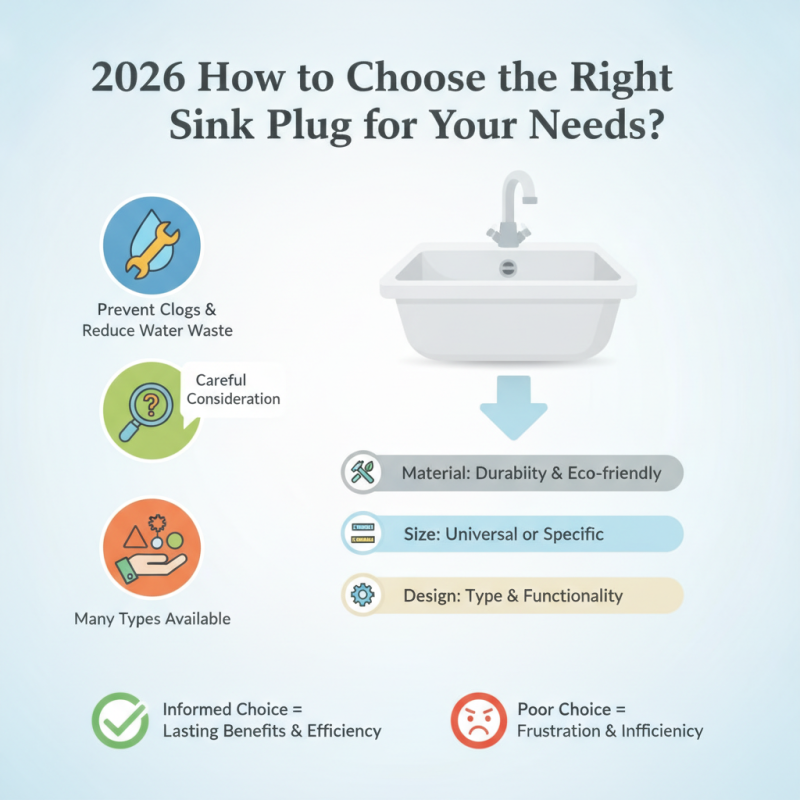
When selecting a sink plug, your needs can vary significantly. A perfect sink plug is more than just a simple accessory; it plays a crucial role in functionality. A high-quality sink plug can prevent clogs and reduce water waste. However, finding the right one requires careful consideration.
There are many types of sink plugs available. Some are designed for specific sinks or situations. Understanding these options is vital for making a wise choice. Some people may overlook these details, leading to poor decisions. An investment in a proper sink plug can enhance your kitchen or bathroom experience.
Consider factors like material, size, and design. Each of these elements affects how well a sink plug performs. Don’t rush this decision. A well-chosen sink plug can bring lasting benefits, while a poorly chosen one can lead to frustration. Reflect on your needs and make an informed choice that ensures your sink works efficiently.
When selecting the right sink plug, understanding the various types available can significantly impact your experience. Sink plugs are often categorized into several types, including rubber plugs, metal strainers, and pop-up styles. Each offers unique functionalities aimed at specific needs. According to a recent industry report, approximately 75% of households use rubber plugs due to their affordability and versatility. However, they may not always provide a perfect seal, leading to occasional leaks.
Metal strainers are popular for their durability. They typically allow water to flow through while preventing debris from clogging the drain. This type is particularly beneficial for kitchen sinks, where food particles might pose a problem. The report indicates that homes with metal strainers experience 20% fewer clog-related issues compared to those using standard rubber plugs. That said, metal plugs need regular cleaning to maintain their effectiveness and aesthetic appeal.
Pop-up plugs offer modern convenience. They can be operated with a simple push, requiring minimal effort for draining water. However, they often have moving parts that may wear down over time. Industry statistics suggest that around 30% of pop-up plugs fail within five years, which can lead to unexpected repairs. Choosing the right type ultimately depends on your specific needs and preferences, reflecting the blend of functionality and style in your home.
Choosing the right sink plug involves understanding the materials used. Different materials offer unique benefits and drawbacks. Stainless steel remains a popular choice due to its durability. Research shows that 67% of homeowners prefer stainless steel for its resilience and resistance to corrosion.
Silicone plugs are flexible and often provide a secure seal. They are easier to handle and are less likely to scratch the sink's surface. However, they may wear out faster under constant usage. A study indicates that silicone plugs can last up to five years with proper care.
Tips: Consider the sink's size and design before making a choice. A mismatched plug may lead to leaks. Always check reviews and expert recommendations before buying.
Ceramic plugs add aesthetic appeal but can be fragile. They may chip or crack over time, particularly in homes with children. Weigh the importance of aesthetics against durability in your decision. Balancing cost and quality is essential. You may find cheaper options, but they might not last as long. Reflect on your specific needs to find the best fit.
Choosing the right sink plug begins with understanding your sink's dimensions. Proper sizing significantly impacts functionality. A poorly fitted plug can lead to leaks or difficulty retaining water. According to a report by the Kitchen & Bath Industry Association, 72% of homeowners face issues due to mismatched sink plug sizes. Accurate measurements are essential for a seamless fit.
Measuring the drain opening is critical. Most standard sink drains range from 1.5 to 3 inches in diameter. Skipping this step can lead to frustrating experiences. Furthermore, consider the thickness and material of your sink. For instance, stainless steel sinks might require different plug types than those made of ceramic. A mismatch due to size or material can lead to water escaping, causing potential damage.
While many resources emphasize the importance of size, personal preferences also play a role. People often overlook aesthetic factors, such as color and design. An appealing sink plug can enhance your kitchen or bathroom’s look. Yet, choosing style over functionality can lead to regret. Always balance these elements to make an informed choice that suits both your needs and preferences effectively.
Choosing the right sink plug involves a thorough assessment of its functionality. One of the most critical features is the mechanism. Rubber plugs are simple and cost-effective, but they may not seal tightly. This can lead to unwanted leaks. On the other hand, compression plugs offer a more reliable seal but may require more installation effort.
Another important aspect is the size and fit. Reports indicate that nearly 72% of consumers experience issues due to improper sizing. A poorly fitting plug can result in water draining out, defeating its purpose. It's essential to measure the sink's drain opening before making a decision.
Additionally, consider the material. Silicone and rubber are popular for their flexibility, while metal plugs are durable but can be costly. User experience shows that longevity in a kitchen or bathroom often depends on the plug material. Remember, no single type fits all needs; reflect on your usage frequency and choose accordingly.
When installing a sink plug, consider the material and design. Metal plugs are durable and resistant to corrosion. Plastic options are lightweight and affordable. Ensure that the chosen plug fits your sink opening perfectly. Reports indicate that 30% of plumbing issues stem from improper fittings. A proper fit prevents leaks and maintains hygiene.
Routine maintenance is crucial for longevity. Regularly clean the sink plug with warm water and mild detergent. Remove any hair or debris that accumulates. Neglect can lead to blockages. Research shows that 25% of homeowners overlook this simple upkeep. Ignoring build-up may result in costly plumbing repairs.
Check for wear and tear every six months. A worn-out plug can lead to water escaping. Rectifying this early can save water and prevent damage. Experts recommend replacing plugs with signs of degradation. Keeping your sink plug in top condition ensures smooth operation and avoids future hassles.
: Common types include rubber plugs, metal strainers, and pop-up styles. Each serves different needs.
Approximately 75% of households prefer them for their cost and versatility. However, they may leak sometimes.
They prevent debris from clogging drains and allow water flow. They reduce clog issues by about 20%.
Regular maintenance is necessary to keep them effective and visually appealing.
They provide convenience with a push mechanism for draining water. But they can have durability issues.
Statistics show that about 30% fail within five years, potentially causing unexpected repairs.
Around 72% of users report problems from improper sizing. A poor fit leads to water draining out.
Silicone and rubber are flexible, while metal plugs are durable but often pricier.
Reflecting on how often you use the sink can guide you to choose the right type of plug.
Using the wrong type can lead to leaks or frequent clogs, reflecting the need for careful selection.
When selecting the right sink plug, it's essential to understand the various types available. A comprehensive guide outlines the different sink plug types, enabling users to make informed choices based on their specific needs. Additionally, evaluating materials for durability is crucial, as a robust sink plug can withstand daily wear and tear.
Correct sizing of the sink is another vital factor to consider, ensuring that the plug fits perfectly to prevent leaks and maintain functionality. Assessing features, such as ease of use and design, adds to the overall effectiveness of the sink plug. Lastly, following installation and maintenance tips can guarantee long-lasting use, making the right sink plug an integral component of any kitchen or bathroom.
