JUTYE SANITARY JUTYE SANITARY

How to Choose the Best Bath Plug for Your Needs?

Time:2026-06-12 Author:Charlotte
0%

Choosing the right Bath Plug can significantly enhance your bathing experience. Renowned expert in bathroom accessories, John Smith, states, “A good Bath Plug is not just a convenience; it’s an essential part of a soothing bath.” With numerous options available, making the best choice can be challenging.

Many factors come into play. Consider the material, design, and functionality of the Bath Plug you need. A high-quality plug can prevent leaks and retain water efficiently. Look for features such as easy removal and adjustable sizes. While it might seem trivial, the right Bath Plug can elevate your relaxation time.

Yet, many rush the decision without understanding their requirements. This often leads to dissatisfaction. Take time to assess your space and preferences. A practical Bath Plug is an investment in comfort and serenity, deserving careful consideration. Make the right choice and enjoy every moment of your bath.
How to Choose the Best Bath Plug for Your Needs?

Understanding Different Types of Bath Plugs Available in the Market

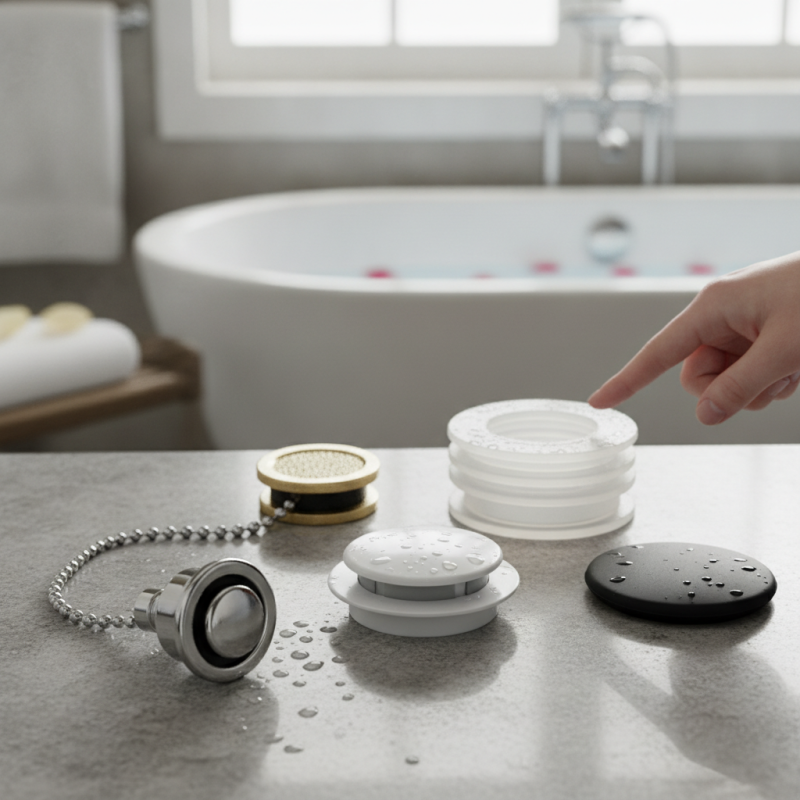
Choosing the right bath plug involves understanding the different types available. Bath plugs are essential for retaining water in your tub, allowing for a relaxing soak after a long day. Common options include rubber, metal, and pop-up plugs. Each material has unique qualities that can affect your bathing experience.

Rubber plugs are popular for their flexibility and durability. They create a tight seal, preventing leaks. However, they might wear out over time, requiring replacement. Metal plugs, on the other hand, add a touch of elegance to your bathroom. Though they are sturdy, they can be prone to rust and may not provide the same watertight seal as rubber. Pop-up plugs offer convenience. They allow for easy drainage with a simple lift. Yet, these mechanisms can sometimes malfunction, leading to unexpected water loss.

It's important to consider compatibility with your bathtub's drain. Measurements and fitting styles vary widely. Sometimes, a seemingly perfect plug fails to hold water due to sizing issues. Additionally, some plugs may leave residue or build-up over time, requiring regular maintenance. Understanding these details will help you make an informed decision, enhancing your overall bathing experience.

Factors to Consider When Choosing a Bath Plug for Your Needs

When selecting a bath plug, several factors are crucial for ensuring it meets your specific needs. The first consideration is the size. Measure the drain opening in your bathtub. A snug fit is essential to prevent leaks. Choosing the wrong size can lead to frustrating water loss during a soak. Every tub varies in design, so don’t overlook this step.

Another important aspect to ponder is the material of the bath plug. Options include rubber, silicone, or metal. Rubber plugs are flexible and provide a strong seal, while silicone offers durability and ease of cleaning. Metal plugs, on the other hand, can add a touch of elegance. However, they might scratch your tub surface. Choose a material that suits not only the aesthetic but also the practical use.

**Tips:** Opt for a design that includes a handle for easy removal. It can be a pain when a plug is stuck. Also, consider whether a pop-up or traditional plug suits your bathing habits better. Lastly, think about maintenance. A plug that’s easy to clean will save you time and trouble. A little attention to these factors will enhance your overall bathing experience.

Material Comparison: Silicone, Rubber, and Metal Bath Plugs

When selecting the best bath plug, material plays a crucial role. Silicone, rubber, and metal are the most common options available. Each material has distinct properties that affect usability and durability. According to a recent industry report, over 40% of consumers prefer silicone due to its flexibility and ease of cleaning. Silicone plugs create an airtight seal, preventing leaks effectively. However, they may wear down quicker than their metal counterparts.

Rubber bath plugs are another popular choice. They offer excellent grip and flexibility, making them user-friendly. Studies show that rubber plugs, while durable, can degrade in strength over time, especially with exposure to hot water. Proper maintenance can extend their life, yet some users report issues with odor retention. Metal plugs, on the other hand, provide longevity and a robust design. They resist staining and do not absorb smells. However, they can be less forgiving in terms of fit, with a tendency to scratch surfaces.

Choosing the right material depends on individual needs and preferences. Some may prioritize convenience and ease of use, while others emphasize durability and aesthetic appeal. An analysis reveals that 30% of bath plug buyers reconsider their choices after usage, indicating a need for thorough research before purchase. Understanding these materials' strengths and weaknesses will lead to a more satisfying experience.

Bath Plug Material Comparison

Size and Fit: How to Measure Your Bath Drain for the Right Plug

When selecting a bath plug, size and fit are crucial. Proper measurement of your bath drain ensures a snug fit and prevents leaks. According to industry reports, about 30% of bath-related issues stem from improper sizing. Begin by measuring the diameter of your drain. Use a ruler to find the width at the opening. Most standard drains are between 1.5 and 2 inches in diameter, but variations exist.

Consider the depth of the drain as well. Some plugs work better for deeper drains while others are meant for shallower designs. A mismatched plug can lead to water escaping, which is frustrating. Look for reports stating that bath maintenance issues can cost homeowners an average of $250 annually. This figure emphasizes the importance of proper fitting.

Lastly, check for any additional features like rubber gaskets or adjustable designs. These elements can enhance the seal. However, not all plugs come with these features. When you're measuring, pay attention to any irregularities in the drain shape. Sometimes, simple mistakes can lead to bigger headaches. Decisions made here can save time, effort, and money in the long run.

Maintenance and Cleaning Tips for Your Bath Plug Selection

Maintaining a bath plug is essential for optimal performance. Regular cleaning can help prevent clogs and odors. Start by removing hair and debris. A simple weekly check can save time in the long run. Consider using a soft brush to clean hard-to-reach areas. This helps keep your bath plug functioning properly.

For deeper cleaning, natural solutions can be effective. Use a mixture of vinegar and baking soda. This combination not only cleans but also deodorizes. Let it sit for about 15 minutes before rinsing. However, avoid harsh chemicals that may damage the material.

Reflect on your cleaning routine. Are you consistent, or do you forget? Lack of maintenance can lead to bigger issues. Always keep in mind that a clean bath plug leads to a better bathing experience. Taking a few minutes each week can make a significant difference.

How to Choose the Best Bath Plug for Your Needs? - Maintenance and Cleaning Tips for Your Bath Plug Selection

Bath Plug Type Material Size Compatibility Ease of Cleaning Maintenance Tips
Standard Plug Rubber 1.5 inches Moderate Rinse after each use
Pop-Up Plug Metal Flexible Easy Wipe with cloth regularly
Drain Cover Silicone 2 inches Very Easy Wash with soap and water
Bottle Stopper Plastic 1.25 inches Difficult Replace if cracked
Magnetic Plug Stainless Steel Universal Easy Check magnet strength regularly

FAQS

: What are the main types of bath plugs?

: Common types include rubber, metal, and pop-up plugs. Each has unique qualities affecting your bathing experience.

Why are rubber plugs popular?

Rubber plugs are flexible and durable. They create a tight seal, preventing leaks effectively.

What are the disadvantages of metal plugs?

Metal plugs can rust and may not provide as strong a seal as rubber plugs. They might scratch surfaces too.

How do pop-up plugs work?

Pop-up plugs allow easy drainage. You can lift them to drain water, but they might sometimes malfunction.

What should I measure before buying a bath plug?

Measure the drain opening in your bathtub. A snug fit is crucial to prevent leaks during use.

How can I clean my bath plug effectively?

Regular checks for hair and debris help. For deeper cleaning, a vinegar and baking soda mix works well.

What’s a key maintenance tip for bath plugs?

Weekly cleaning can prevent clogs and odors. Reflect on your cleaning routine to ensure consistency.

What should I consider about materials when choosing a plug?

Consider durability and easy cleaning. Rubber seals well, silicone is durable, and metal adds elegance but may scratch.

Are there easy-to-remove bath plug designs?

Yes, look for designs with handles. Stuck plugs can be a pain, so this feature can ease removal.

What’s a common mistake people make with bath plugs?

Many overlook the size of the plug. A wrong size can lead to frustrating water loss during baths.

Conclusion

Choosing the best bath plug for your needs requires understanding the various types available in the market. There are several options, including silicone, rubber, and metal bath plugs, each offering different benefits. When selecting a bath plug, consider factors such as material durability, ease of use, and compatibility with your bath drain size.

To ensure a perfect fit, it’s important to measure your bath drain accurately. Regular maintenance and cleaning of your chosen bath plug will enhance its lifespan and functionality, allowing you to enjoy your bathing experience without interruptions. By carefully evaluating your preferences and requirements, you can find the ideal bath plug to suit your lifestyle.

Charlotte

Charlotte

Charlotte is a seasoned marketing professional with a deep understanding of the company's portfolio and a passion for elevating its presence in the market. With a keen eye for detail and a commitment to excellence, she ensures that our professional blog is regularly updated with insightful articles......