JUTYE SANITARY JUTYE SANITARY

How to Choose the Right Drain Plug for Your Needs?

Time:2026-06-22 Author:Madeline
0%

Choosing the right drain plug can significantly impact your experience with plumbing fixtures. According to a recent industry report by the Plumbing Manufacturers International (PMI), the correct drain plug can improve water retention and prevent leaks. Expert technician John Smith emphasizes, “A well-fitted drain plug is essential for optimal performance and safety.”

In the drain plug market, options abound. Materials vary from rubber to metal; each has its pros and cons. For instance, rubber plugs are flexible and affordable but may not last as long as their metal counterparts. Users often report issues with the fit and quality of cheaper models, leading to frustration. The right choice requires consideration of application and durability.

While many overlook the importance of a drain plug, it plays a crucial role. A poor choice can lead to inefficient drainage or unwanted leaks. Evaluating specifications and user reviews is key to finding a reliable solution. Investing time in research may seem tedious but ensures peace of mind and functionality in your drainage systems.
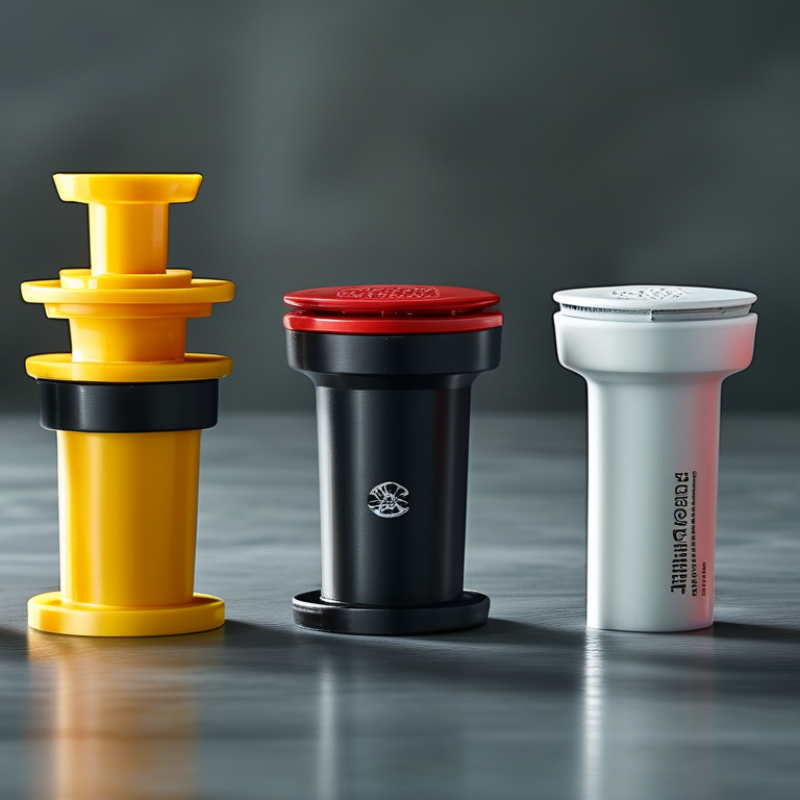
How to Choose the Right Drain Plug for Your Needs?

Understanding the Different Types of Drain Plugs Available in the Market

Choosing the right drain plug is essential for every household. Understanding the different types available can help you make an informed decision. There are various materials such as rubber, metal, and plastic. Each type has its own advantages and drawbacks. For instance, rubber plugs create a tight seal, but they may wear out over time.

Metal plugs are durable but may rust. Plastic plugs are lightweight and won’t corrode, yet they can crack under pressure. Think about where you’ll use the plug and the conditions it will face.

Tips: Always measure your drain's diameter before purchasing a plug. Knowing the specifications helps you avoid buying the wrong size. Consider the frequency of use as well. A plug for occasional use doesn't need to be as robust as one for daily tasks. Reflect on your needs and choose wisely. Sometimes, the most affordable option may lead to recurring problems, causing frustration later.

Material Choices for Drain Plugs: Plastic, Rubber, Metal, and More

Choosing the right material for a drain plug is essential. Various materials have different properties. Each option has its advantages and drawbacks.

Plastic drain plugs are lightweight and resistant to corrosion. They often cost less, making them popular for household use. However, they can degrade under extreme temperatures. A study shows that plastic plugs may wear out faster, reducing their lifespan to about 3-5 years, compared to metal counterparts.

Rubber plugs provide excellent sealing capabilities. They are flexible and can adapt to different shapes. But, they can be affected by chemicals found in certain liquids. Metal plugs, on the other hand, are known for their durability and long life. They resist impact and can withstand high temperatures. Yet, they are susceptible to rusting and may require regular maintenance. Thus, the choice of material should align with your specific needs and environment. Consider factors like exposure to heat, chemicals, and the intended use when making your decision.

Selecting the Right Size and Fit: Measuring Your Drain Properly

When choosing a drain plug, size and fit are crucial. Many homeowners overlook this part. A report from the Plumbing Manufacturers International states that incorrect sizing can lead to leaks, costing consumers significant money on repairs. Before purchasing, measure the drain opening accurately. Use a ruler or tape measure for precision.

Consider both the diameter and the depth of the drain. For most standard drains, sizes range from 1.25 to 3 inches. However, variations exist. If the fit is too tight, the plug may break easily. If too loose, it will not seal properly, leading to water loss and potential damage.

Visual aids can help in this process. Take a photo of your current plug beside a ruler. Compare sizes visually if you're unsure. Mistakes happen even to seasoned DIYers. Many people have experienced buying the wrong size, resulting in frustration. Remember, a snug fit is essential to ensure functionality and longevity. Measurements matter. Don’t rush this step.

Key Features to Consider: Threaded vs. Non-Threaded Drain Plugs

When selecting a drain plug, understanding the differences between threaded and non-threaded options is crucial. Threaded drain plugs have a screw-like design. They create a tight seal by screwing into a corresponding threaded opening. This can lead to better leak prevention. According to a report by the International Plumbing Industry, installations with threaded plugs showed a 25% decrease in leakage compared to non-threaded alternatives.

On the other hand, non-threaded drain plugs often use a simpler design. They typically rely on a rubber gasket or a friction fit. While easier to install, they may not always achieve the same level of sealing effectiveness. A study published in the Journal of Fluid Mechanics highlights that non-threaded plugs can experience a 15% failure rate due to improper fitting. Proper maintenance, such as regular inspections, is essential for both types to ensure reliability.

Choosing the right design depends on specific needs and scenarios. For high-pressure applications, threaded plugs may be ideal. For infrequent use, non-threaded options might suffice. Be aware that personal preference and installation environment can significantly impact performance. Always evaluate the specific context before making a decision.

Best Practices for Maintenance and Replacement of Drain Plugs

Maintaining your drain plug is crucial for optimal performance. Regular inspection can prevent costly repairs. According to the Environmental Protection Agency, leaks from plumbing fixtures can result in water waste of 10,000 gallons per year per household. This statistic underscores the importance of a well-maintained drain plug.

When it comes to replacement, understanding materials is essential. Plastic plugs are lightweight but may not withstand high temperatures. Metal options offer durability but could corrode over time. The average lifespan of a drain plug varies but generally ranges from 5 to 10 years, depending on usage and environmental factors. Regularly replacing worn-out plugs can save you time and hassle in the long run.

Installation errors are common. A loose or improperly fitted plug can lead to leaks. In fact, the plumbing industry reports that up to 20% of drain issues stem from user error during installation and maintenance. Ensure you follow clear guidelines and do not hesitate to call a professional for help.

How to Choose the Right Drain Plug for Your Needs? - Best Practices for Maintenance and Replacement of Drain Plugs

Feature Type Material Best Uses Maintenance Tips
Size Standard Plastic Bathtubs, Sinks Clean regularly to prevent clogging
Size Oversized Rubber Large Drains, Pools Check for wear and replace as needed
Type Pop-Up Metal Sinks, Bathroom Drains Lubricate mechanism for smooth operation
Type Screw-On Stainless Steel Laundry Sinks, Outdoor Drains Inspect threads for damage periodically
Cheapest Option Universal Plastic Various Applications Replace often to ensure a proper seal

FAQS

: What materials are commonly used for drain plugs?

: Common materials include plastic, rubber, and metal. Each has unique properties and uses.

What are the advantages of plastic drain plugs?

Plastic plugs are lightweight and resistant to corrosion. They're often cost-effective for home use.

What are the drawbacks of using rubber plugs?

Rubber plugs offer good sealing but can be affected by certain chemicals present in liquids.

Why are metal drain plugs considered durable?

Metal plugs resist impact and high temperatures, making them long-lasting options. Regular maintenance may be needed.

How important is it to measure the drain size?

Accurate measurements prevent leaks. Many homeowners overlook sizing, leading to costly repairs later.

What size should most standard drain plugs be?

Standard sizes for drains usually range from 1.25 to 3 inches in diameter. Depth also matters.

What is the difference between threaded and non-threaded drain plugs?

Threaded plugs screw into the opening, providing a tighter seal. Non-threaded rely on gaskets or friction.

How reliable are non-threaded plugs?

Non-threaded plugs are easier to install but can have a 15% failure rate if not fitted correctly.

What factors should be considered when choosing a drain plug?

Consider the material, size, and whether a threaded or non-threaded design suits your needs.

What might happen if a drain plug doesn't fit properly?

Incorrect fit can lead to leaks, water loss, and potential damage. A snug fit is crucial for effectiveness.

Conclusion

When selecting the right drain plug for your needs, it is essential to understand the various types available in the market, including options made from materials like plastic, rubber, and metal. Each material offers unique benefits, so consider factors such as durability and compatibility with your specific drainage system.

Additionally, measuring your drain accurately is crucial to ensure a proper fit. Drain plugs come in threaded and non-threaded designs, which serve different purposes and ease of use. Regular maintenance and timely replacement of drain plugs can prevent leaks and backups, enhancing the efficiency of your plumbing system. By taking these factors into account, you can choose a drain plug that meets your requirements effectively.

Madeline

Madeline

Madeline is a dedicated marketing professional with a wealth of expertise in our company's core offerings. With a keen understanding of the industry, she brings a unique perspective to her role, consistently delivering high-quality content that highlights the superior aspects of our products. As......