JUTYE SANITARY
Effective home plumbing is essential for efficient living. One key aspect is managing sink waste. A report from the Plumbing Manufacturers International states that over 3,500 gallons of water can be wasted annually due to leaky faucets and improper sink waste management. The importance of implementing the best sink waste solutions cannot be overstated.
Many households face recurring issues with clogged sinks. According to the American Society of Plumbing Engineers, about 90% of plumbing problems stem from poorly managed waste disposal. Understanding the right materials and techniques to handle sink waste can significantly reduce repair costs. For instance, adopting eco-friendly disposal methods can lower the risk of damaging pipes and contribute to environmental sustainability.
Yet, challenges persist. Homeowners often overlook the importance of regular maintenance. This negligence can lead to bigger plumbing issues over time. Investing in reliable sink waste systems today can save time and money in the long run. By addressing common sink waste problems proactively, households can ensure smoother plumbing operations and avoid costly emergencies.
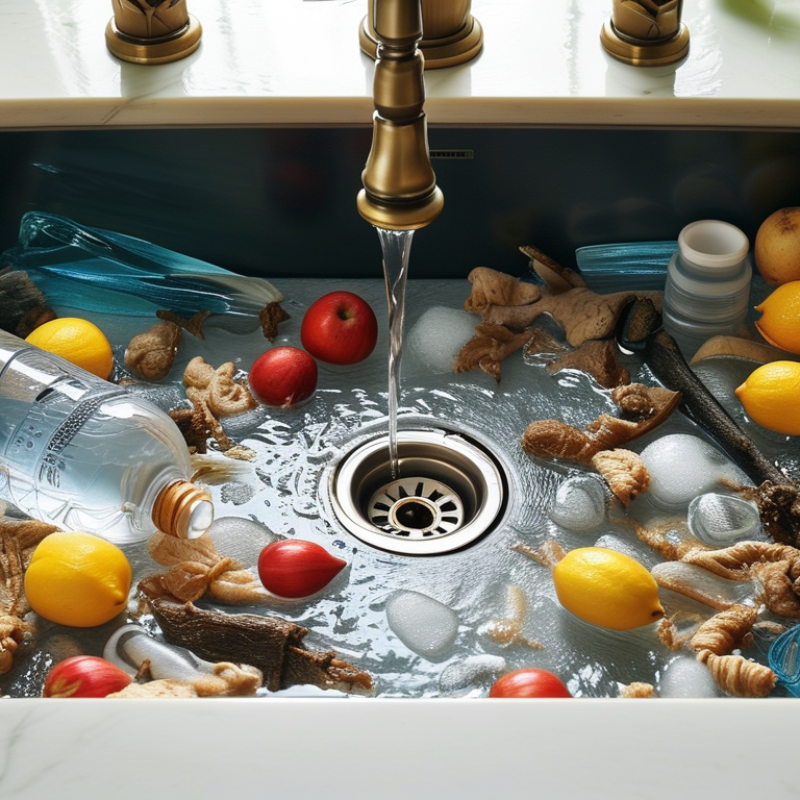
When considering sink waste systems, understanding their types is essential. Common options include gravity-fed systems, which rely on gravity to move waste downwards. These are the most basic and often the most reliable. However, they can encounter clogs in low-slope installations, making maintenance a priority.
Another popular type is the pressurized system. This kind of system uses force to push waste through pipes. It's particularly effective in homes with limited slope for drainage. However, these systems require a power source, which can lead to higher utility bills. It's crucial for homeowners to weigh the benefits against potential challenges.
Lastly, consider the eco-friendly solutions. These systems often include composting features that reduce waste. While they help the environment, they can demand more attention and skill from users. Not all homeowners may have the time or knowledge for optimal functioning. Each type of sink waste system has its strengths and weaknesses. Understanding these details can lead to more informed plumbing decisions.
Choosing the right materials for sink waste pipes is crucial for maintaining efficient plumbing.
PVC, ABS, and metal options each come with distinct benefits.
PVC is lightweight, durable, and resistant to corrosion. It is often the go-to choice for residential plumbing systems.
ABS is similar but offers better impact resistance, making it ideal for situations with extreme temperatures.
Metal pipes, like copper or stainless steel, provide strong durability but may corrode over time.
When selecting materials, consider local building codes. Some jurisdictions require specific types of pipes.
Always consult a plumbing professional when in doubt. Choosing the wrong material can lead to leaks or clogs.
Tips: Regularly inspect your sink waste pipes for signs of wear. Look for cracks or signs of rust.
Replacing damaged areas promptly can save you time and money. Additionally, avoid flushing non-biodegradable items down the sink.
This simple action can reduce blockages significantly. Remember, even small choices in materials impact your plumbing's efficiency and longevity.
Sink waste problems often lead to frustrating plumbing issues. Clogged drains are a common occurrence that everyone dreads. Food particles, grease, and hair can easily block water flow. It's crucial to address these blockages promptly. A plunger or a drain snake can often do the trick, but some situations require more expertise. Persistent clogs may need professional intervention.
Leaks can also plague sink waste systems. A worn-out washer or a loose connection might be the culprit. Checking the fittings regularly can prevent water damage. Over time, corrosion can weaken pipes, leading to leaks. Replacing old components can save time and costs in the long run. Sometimes, homeowners overlook these small repairs, only to face bigger issues later.
Furthermore, odors can emanate from sinks that aren't properly maintained. Trapped food waste often contributes to unpleasant smells. Regular cleaning and using natural remedies can help mitigate this problem. Baking soda and vinegar can break down residue and keep your drains fresh. Monitoring your sink's condition is essential for efficient plumbing and a pleasant home environment. It's a proactive approach to ensure everything runs smoothly.
| Common Sink Waste Problems | Description | Possible Solutions |
|---|---|---|
| Clogged Drain | Water is not draining properly due to buildup of debris. | Use a plunger, install a drain snake, or utilize a chemical drain cleaner. |
| Leaking Faucet | Water drips from the faucet when off, causing waste. | Replace washers or O-rings; consider a full faucet replacement. |
| Slow Draining Sink | Drains are moving water slowly, signaling underlying issues. | Clear out any visible clogs, check trap, or call a plumber. |
| Bad Odors | Unpleasant smells coming from the drain area. | Use baking soda and vinegar, or a commercial odor eliminator. |
| Backflow Issues | Water is coming back through the sink; not draining properly. | Check the main sewer line; may require professional intervention. |
Maintaining an efficient sink waste system is crucial for any home. Regularly check for clogs. Organic materials can easily build up. Hair, soap residues, and food scraps often contribute to blockages. A simple drain snake can help clear out minor clogs. For tougher blockages, a mixture of vinegar and baking soda can work wonders.
Consider a monthly cleaning routine. Pouring hot water down the drain can help. This keeps grease and oil from sticking to the pipes. However, remember that not every solution is perfect. Sometimes, persistent issues may require professional help. Ignoring symptoms can lead to bigger problems.
Pay attention to the signs. If water drains slowly, investigate right away. A gurgling sound in pipes might suggest air trapped in the system. This is usually a sign of a larger issue at hand. Regular maintenance checks can save you from costly repairs later on. Keeping your sink waste system efficient ensures a smooth plumbing experience.
Upgrading your sink waste system can drastically improve drainage performance. A well-functioning sink waste structure ensures quick waste removal, preventing clogs and unpleasant odors. Many homeowners overlook this crucial system until issues arise. By enhancing your sink waste setup, you can save time and money in the long run.
Consider replacing old pipes with modern materials. PVC or ABS pipes offer improved durability and lower maintenance needs. These materials resist corrosion and can handle diverse waste types better than metal options. The right installation plays a significant role as well. Pipe gradients should be appropriate to support efficient drainage.
Tips: Regularly check for leaks. Even small leaks can escalate quickly. Use strainers in your sink to catch food particles and debris. They prevent clogs and enhance drainage. Finally, consider a trap for odors. This simple addition makes a noticeable difference.
Reflect on the current state of your plumbing. If your sink drains slowly, it may signal a larger issue. Ignoring these signs can lead to increased repair costs. Trust your instincts and prioritize regular inspections for peace of mind.
: PVC and ABS are lightweight and durable, while metal pipes offer strong durability but may corrode.
Avoid flushing non-biodegradable items. Regularly inspect for food particles and hair buildup.
Look for cracks, rust, or slow drainage. These could indicate potential leaks or clogs.
Use a plunger or a drain snake. Professional help may be needed for persistent clogs.
Check fittings for wear or looseness. Small leaks can escalate quickly if ignored.
Clean regularly. Use natural remedies like baking soda and vinegar for fresh drains.
Upgrading ensures better drainage performance, prevents clogs, and saves time and money.
Inspect pipes regularly and replace outdated components. This helps avoid bigger issues later.
Consider modern materials like PVC or ABS. Proper installation is also crucial for effective drainage.
If you notice slow drainage, it might signal a larger underlying issue. Don't ignore these signs.
Efficient home plumbing relies heavily on effective sink waste systems. There are various types of sink waste systems available, each tailored to enhance drainage efficiency and reduce clogs. When selecting materials for sink waste pipes, it's important to choose options that balance durability and compatibility with existing plumbing to avoid common issues such as leaks and blockages.
Regular maintenance is crucial for optimal sink waste functionality, including periodic inspections and cleaning to prevent buildup. Additionally, upgrading your sink waste system can significantly improve drainage performance, ensuring that your plumbing operates smoothly. By understanding the different aspects of sink waste management, homeowners can achieve a more efficient plumbing system and minimize potential problems.
